Upholstery Cleaning in Modern Homes: A Practical Approach to Fresher Furniture
Why Upholstery Cleaning Matters for Everyday Comfort

Upholstery cleaning is one of those home care tasks that often gets postponed until a sofa starts looking dull, a dining chair feels sticky, or a favorite armchair carries an odor that will not go away. Yet regular upholstery cleaning does much more than improve appearance. It helps preserve fabric quality, supports a healthier indoor environment, and keeps furniture comfortable for longer. Whether you own a busy family home, manage rental property, or simply want your living space to feel cleaner, upholstery cleaning plays a major role in overall home maintenance.
Unlike hard surfaces, upholstered furniture absorbs dust, body oils, food crumbs, pet hair, pollen, and everyday residue. Over time, these particles settle deep into the fibers and padding. That is why a surface-only wipe is not enough. Effective upholstery cleaning addresses the visible marks on the outside and the hidden buildup inside the fabric layers. If you have ever noticed that a room smells fresher after the furniture has been cleaned, that is because upholstery often acts like a filter for the space around it.
Many homeowners are surprised by how much cleaner a room feels after a single treatment. A well-cleaned couch, loveseat, or fabric dining chair can instantly brighten the appearance of a room and create a more inviting atmosphere. For anyone considering professional upholstery cleaning in a home or office setting, understanding the process and benefits can help make better decisions about maintenance, timing, and fabric care.
Understanding Upholstery Cleaning and Fabric Care
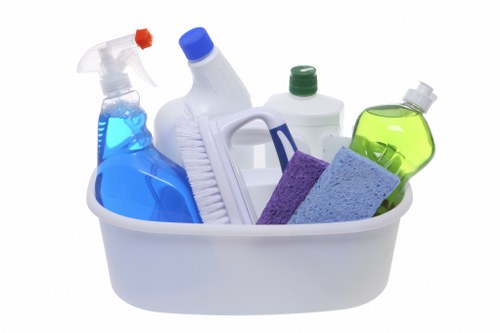
At its core, upholstery cleaning refers to the process of removing dirt, stains, allergens, and odors from furniture fabrics and padding. Different materials respond differently to water, cleaning agents, temperature, and extraction methods, which is why upholstery cleaning is not a one-size-fits-all task. A microfiber sofa, for example, may require a different treatment than a cotton blend recliner or a delicate linen accent chair.
Professional upholstery cleaning often begins with an inspection of the furniture type, fabric code, construction, and level of soiling. This step helps determine the safest method, whether that is hot water extraction, low-moisture cleaning, dry foam cleaning, or a solvent-based approach. Homeowners searching for upholstery cleaning in any environment should know that the right method depends on the textile, not just the stain.
There are also important differences between routine fabric care and deep upholstery cleaning. Regular care includes vacuuming, spot treatment, and quick attention to spills, while deep cleaning is designed to remove embedded buildup. Both are essential. In fact, the most successful results usually come from combining everyday upkeep with periodic professional upholstery cleaning to protect the furniture over time.
Common Signs Your Furniture Needs Attention
It is not always obvious when it is time for upholstery cleaning. Some signs are visible, while others are more subtle. If you know what to look for, you can act before small issues become permanent damage. Faded fabric, a musty smell, dull texture, and discoloration around armrests or headrests often indicate that dirt and oils have accumulated beyond what routine vacuuming can remove.
Another strong indicator is the presence of stains from drinks, food, makeup, pet accidents, or ink. The sooner these are treated, the better the outcome. Waiting too long can allow pigments to bond to the fibers. In many cases, upholstery cleaning performed quickly after a spill can prevent staining from becoming permanent. Likewise, a sofa that looks clean may still trap allergens, dust mites, and bacteria that affect air quality and comfort.
Pay attention to how the furniture feels as well as how it looks. If a chair cushion seems greasy, rough, or sticky, it likely needs more than a vacuum. The same goes for furniture in high-use areas such as family rooms, offices, and waiting spaces. When upholstery cleaning in busy rooms is handled on a regular schedule, the furniture stays more attractive and more sanitary.
Signs that should not be ignored
- Visible stains and spot marks
- Persistent odors from pets, smoke, or food
- Dull or uneven fabric appearance
- Allergy symptoms that seem worse indoors
- Fabric that feels grimy or rough
How Professional Upholstery Cleaning Works

Professional upholstery cleaning typically follows a careful process designed to protect the material while removing embedded soil. The first step is usually inspection, where the cleaner identifies fabric type, condition, stains, and any special concerns such as loose seams or weak dye. This evaluation is important because an aggressive treatment can damage delicate fibers, while a mild treatment may not remove deep dirt effectively.
Next comes dry soil removal. Before moisture is introduced, the technician often vacuums the upholstery thoroughly to lift dust, pet hair, crumbs, and loose debris. This step matters more than many people realize. If dry soil is not removed first, it can become mud during cleaning and settle deeper into the fabric. A strong upholstery cleaning service pays close attention to this preparation stage because it improves results and reduces residue.
After that, the selected cleaning method is applied. Some fabrics respond well to low-moisture encapsulation or foam cleaning, while others benefit from hot water extraction with controlled rinse and suction. Stain treatments, deodorizing solutions, and fabric-safe protectants may also be used as needed. Once the process is complete, the furniture is allowed to dry fully, which helps prevent mildew, odor, and re-soiling.
Why DIY Methods Do Not Always Deliver the Best Results
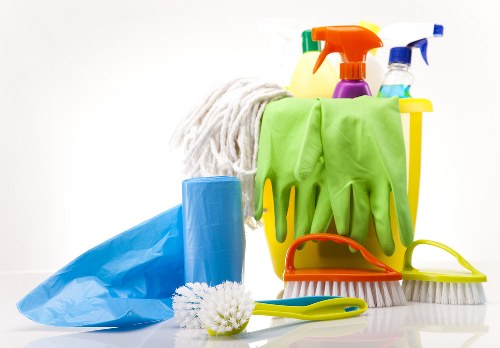
Many people try to handle upholstery cleaning on their own with a household spray, a rented machine, or a mixture found online. While some spot cleaning can be effective, do-it-yourself methods often have limitations. Too much water can leave rings, while too much soap can leave sticky residue that attracts dirt more quickly. In some cases, aggressive scrubbing can distort fibers or spread the stain further.
Another challenge is knowing which solution is appropriate for the specific fabric. Upholstery labels and fiber composition matter. A product that works on synthetic fabric may discolor natural fibers or loosen adhesive backing. For this reason, upholstery cleaning in delicate or high-value furniture is often best left to trained specialists who understand textile behavior and moisture control. They also have access to stronger extraction equipment that removes soil more completely than typical consumer tools.
DIY methods can still be useful for small touch-ups, but they are usually not enough for deep cleaning or stubborn stains. If your goal is to extend the life of sofas, sectionals, ottomans, and office chairs, the safer choice is often a professional solution. Good upholstery care is about preservation, not just appearance.
Where DIY usually falls short
- It may leave residue behind.
- It can over-wet the fabric or padding.
- It may not remove deep allergens or odors.
- It can be risky for delicate textiles.
- It often fails on old or layered stains.
Benefits of Regular Upholstery Cleaning for Homes and Businesses

Regular upholstery cleaning offers benefits that go far beyond visual improvement. One of the most noticeable is freshness. Clean furniture contributes to a cleaner-smelling space and can reduce the stale odor that often develops in closed rooms. Another major advantage is improved indoor air quality. Upholstery can trap dust, pollen, pet dander, and other airborne particles that circulate through your home. By removing this buildup, upholstery cleaning helps create a healthier environment.
Furniture longevity is another key benefit. Dust and grime may seem harmless, but over time they act like abrasive particles that wear down fibers. This can lead to thinning, fading, and premature deterioration. Routine upholstery cleaning helps preserve the texture and color of fabric, making furniture look newer for longer. That is especially valuable for large pieces such as sectionals and commercial seating, which are expensive to replace.
For businesses, upholstery cleaning supports a professional image. Waiting rooms, lobbies, offices, and hospitality spaces all benefit from clean seating. Customers notice clean furniture even if they do not consciously comment on it. In residential settings, the result is equally meaningful: a more comfortable, inviting home that feels well cared for. That is why many property owners schedule upholstery cleaning in recurring intervals rather than waiting for visible damage.
Popular Upholstery Materials and Their Care Needs
Different fabrics require different cleaning techniques, and understanding the basics can help homeowners make better decisions. Synthetic fabrics such as polyester and microfiber are often more forgiving and can handle a variety of cleaning methods. Cotton and linen blends may need gentler treatment because they can absorb moisture quickly and may be more prone to wrinkling or water marks.
Leather is not technically fabric, but it is often discussed alongside upholstery because it is used in sofas, recliners, and office chairs. Leather needs specialized products that clean without stripping natural oils. Suede and velvet require even more caution because their surface structure can be altered by improper moisture or brushing. A trained professional providing upholstery cleaning understands how to adapt the approach to each of these materials.
Checking the manufacturer’s cleaning code is also important. Common upholstery codes include:
- W - Water-based cleaning is acceptable
- S - Solvent-based cleaning only
- WS - Water or solvent-based products may be used
- X - Vacuum only; no liquid cleaning
When in doubt, it is safer to test a small hidden area or consult a professional before using any product.
Stain Removal Challenges and Practical Expectations
One of the biggest misconceptions about upholstery cleaning is that every stain can be removed completely. While many marks can be reduced dramatically, results depend on the age of the stain, the type of substance, the fabric, and whether previous cleaning attempts have set the discoloration. Coffee, wine, grease, ink, and pet stains each behave differently. Some penetrate only the surface, while others sink deep into the cushion layers.
It is important to act quickly and avoid rubbing aggressively. Blotting is usually better than scrubbing because it lifts liquid without spreading the stain. A professional upholstery cleaning service will often use targeted pre-treatments and controlled extraction to improve stain removal. Still, setting realistic expectations matters. The goal is often to restore appearance as much as possible while protecting the fabric from damage.
Odor removal is another area where results vary. Smells from food, pets, moisture, and smoke may be absorbed into the fibers and foam. In these cases, a surface clean is not enough. Deep upholstery cleaning in odor-prone pieces often requires deodorizing treatment, ventilation, and careful drying to fully refresh the furniture.
Tips for better stain outcomes
- Blot spills immediately with a clean cloth.
- Avoid harsh scrubbing or bleaching.
- Test products on hidden areas first.
- Keep furniture dry after cleaning.
- Call a professional for old or unknown stains.
How Often Should Upholstery Be Cleaned?
The right schedule depends on how the furniture is used. A family sofa with children, pets, and daily meals nearby will need upholstery cleaning more often than a guest-room chair that is used only occasionally. As a general rule, most household upholstery benefits from professional cleaning every 12 to 24 months. However, high-traffic furniture may need attention sooner, especially if it is exposed to heavy use or allergens.
Commercial environments often need more frequent cleaning because seating is used by many people throughout the day. Offices, clinics, schools, hotels, and reception areas may schedule upholstery cleaning in quarterly, biannual, or annual cycles depending on traffic and appearance standards. The key is to prevent buildup before it becomes visible or starts affecting comfort and hygiene.
Maintenance between deep cleans also matters. Vacuuming weekly, responding quickly to spills, and rotating cushions can extend the life of the fabric. If you combine routine care with periodic upholstery cleaning, you reduce wear and improve overall value. That is a simple strategy, but it makes a major difference over time.
Maintenance habits that help
- Vacuum upholstery regularly with a brush attachment
- Rotate and flip cushions where possible
- Keep food and drinks away from delicate fabrics
- Use throws or covers in high-use areas
- Address spills within minutes, not days
Health, Hygiene, and Allergen Control
Many people think of upholstery cleaning purely as a cosmetic service, but hygiene benefits are equally important. Soft furniture can harbor dust mites, pet dander, pollen, bacteria, and moisture-related contaminants. If someone in the home has allergies or respiratory sensitivity, keeping upholstered surfaces clean can make the environment more comfortable. Even for people without allergies, cleaner furniture often means less dust circulation and fewer lingering odors.
Mattress care gets a lot of attention in the health conversation, but upholstered seating deserves similar awareness. People sit, nap, eat, and relax on couches and chairs every day. That makes them natural collection points for skin flakes, food particles, and everyday grime. A quality upholstery cleaning process helps reduce these contaminants and supports a fresher indoor space.
For households with pets, this benefit becomes even more noticeable. Pet hair, saliva, tracked-in dirt, and occasional accidents can quickly affect furniture. Professional upholstery cleaning in pet-friendly homes often includes deodorizing and targeted soil removal, which helps restore comfort and freshness without compromising the fabric.
What Makes a Good Upholstery Cleaning Service?
A reliable upholstery cleaning service should do more than just apply a machine and leave. Look for providers who inspect the fabric first, explain the cleaning approach, and adjust their method based on material type and condition. Clear communication, proper drying procedures, and careful stain assessment all indicate a thoughtful process. A quality service should also understand that different furniture pieces require different levels of care.
Experience matters because upholstery can be unpredictable. Some items have hidden zippers, mixed fabrics, or padding that retains moisture longer than expected. A skilled technician knows how to minimize risk while achieving a thorough result. When choosing upholstery cleaning in a professional setting, look for signs of knowledge, preparation, and attention to detail rather than simply the lowest price.
It is also wise to ask whether the service uses fabric-safe products and equipment designed for extraction and low-residue cleaning. The best results come from methods that clean deeply yet leave the material soft, balanced, and ready for use. As with many home services, quality upholstery cleaning is an investment in both appearance and durability.
Qualities to look for
- Fabric inspection before cleaning
- Use of appropriate cleaning methods
- Transparent explanation of the process
- Attention to drying and odor control
- Experience with multiple upholstery materials
Upholstery Cleaning and Interior Appearance
Fresh furniture changes the way a room feels. Clean upholstery can make colors appear brighter, patterns more defined, and the overall space more polished. This matters in living rooms, offices, model homes, rental properties, and hospitality settings where first impressions count. If curtains, rugs, and cushions are all coordinated, the effect is even more noticeable when the upholstery is clean and well maintained.
In interior design, furniture often serves as a focal point. A stained sofa or dull armchair can draw the eye for the wrong reasons, while clean upholstery helps the room look balanced and intentional. That is one reason homeowners often schedule upholstery cleaning before holidays, events, property showings, or seasonal refreshes. The improvement is immediate and highly visible.
For those focused on long-term style, upholstery cleaning is also part of protecting the investment you have already made in furnishings. Quality furniture is expensive, and replacing it frequently is neither practical nor sustainable. By maintaining it properly, you get more years of use and preserve the aesthetic appeal that made the piece worth buying in the first place.
Final Thoughts on Keeping Upholstery Fresh
Upholstery cleaning is one of the smartest ways to care for your home or business because it supports hygiene, appearance, comfort, and furniture longevity all at once. While occasional spot cleaning has its place, deeper cleaning is necessary to remove embedded dirt, odors, and allergens. Whether you have a fabric sectional, a set of dining chairs, or a much-loved reading chair, proper care makes a visible difference.
The best results come from a combination of routine maintenance and professional expertise. Know your fabric, address spills quickly, and choose cleaning methods that suit the material. With the right approach, your furniture can stay cleaner, look better, and last longer. If your seating is overdue for attention, now is the time to act. Contact us today and book your service now to restore a fresher, more comfortable space with expert upholstery cleaning in your home or workplace.