Office Cleaning: Creating a Healthier, More Productive Workspace
Office cleaning is more than a basic maintenance task. It plays a direct role in how a workplace looks, feels, and performs every day. A clean office supports employee wellbeing, improves visitor impressions, and helps protect valuable assets from dust, grime, and wear. Whether you manage a small startup, a busy corporate floor, or a shared workspace, consistent office cleaning can make a noticeable difference in daily operations.
Many businesses think of office cleaning as something that simply keeps surfaces tidy, but the real value goes much deeper. Clean desks, polished floors, sanitized restrooms, and fresh air contribute to better focus and fewer distractions. In competitive business environments, even small details matter. A well-maintained office signals professionalism, organization, and care.
For companies looking to improve the workplace experience, office cleaning should be viewed as an investment rather than an expense. It supports employee health, protects office equipment, and helps create a space people feel comfortable working in. When cleaning standards are high, productivity often follows.
Why Office Cleaning Matters for Every Workplace

Office cleaning affects nearly every aspect of a work environment. From the reception area to the conference room, cleanliness shapes the first impression people receive. Clients, partners, and potential employees often notice details immediately, and a tidy office can communicate reliability before a word is spoken.
Beyond appearances, office cleaning supports health and safety. Shared desks, keyboards, door handles, breakroom counters, and restroom fixtures can all collect germs quickly. Regular cleaning reduces the spread of bacteria and viruses, which may help lower absenteeism and support a healthier team.
There is also a practical side to professional office cleaning. Dust and debris can damage electronics, clog vents, and shorten the lifespan of furniture and fixtures. Routine upkeep helps preserve the condition of your workspace and may reduce repair and replacement costs over time.
Core Areas Included in Office Cleaning

Effective office cleaning involves more than vacuuming carpets and emptying trash bins. A well-planned service usually addresses multiple zones throughout the building, each with its own requirements and frequency. Understanding these areas can help businesses build a cleaning plan that fits daily operations.
Common office cleaning tasks include:
- Dusting workstations, shelves, and common surfaces
- Vacuuming carpets and rugs
- Mopping hard floors
- Cleaning and disinfecting restrooms
- Wiping down kitchen and breakroom surfaces
- Sanitizing high-touch points such as handles and switches
- Emptying bins and replacing liners
- Cleaning glass partitions and interior windows
Some offices also require more specialized attention, such as deep carpet treatment, upholstery care, or post-construction cleanup. The right service approach depends on the size of the office, the number of employees, and how frequently the space is used.
Daily Office Cleaning vs. Periodic Deep Cleaning

Office cleaning works best when routine tasks are paired with periodic deep cleaning. Daily cleaning keeps the workplace presentable and hygienic, while deep cleaning addresses buildup that regular maintenance may miss. Together, they create a cleaner and more resilient environment.
Daily office cleaning usually focuses on visible and high-use areas. These tasks often include wiping surfaces, sanitizing touchpoints, restocking supplies, and maintaining floors. This level of care keeps the office functional and professional throughout the week.
Deep cleaning goes further. It may involve cleaning behind furniture, detailing baseboards, treating carpet stains, disinfecting less obvious surfaces, and removing buildup in hard-to-reach places. Office cleaning strategies that include both daily and periodic services tend to produce better long-term results.
Signs your office needs deep cleaning
- Persistent odors in shared spaces
- Visible dust on vents, blinds, or ledges
- Stained carpets or worn flooring
- Frequent buildup in kitchens and restrooms
- Allergy complaints from employees
Health Benefits of Professional Office Cleaning

One of the strongest reasons to prioritize office cleaning is employee health. A clean office can reduce exposure to allergens, dust, mold, and germs. This matters in spaces where many people share the same air, equipment, and common areas every day.
Workplaces with poor cleanliness often experience more sick days and lower morale. When employees notice dirty restrooms, overflowing bins, or neglected kitchen areas, it can affect how they feel about the company and their own comfort at work. A clean space supports better concentration and a more positive mindset.
Office cleaning also helps maintain good indoor air quality. Dust and debris can accumulate in vents, on vents covers, and around baseboards, creating circulation issues. Regular dusting, vacuuming, and filter-aware maintenance can reduce airborne particles and help keep the office fresher.
Health-focused cleaning priorities
- Disinfect shared surfaces frequently
- Keep restrooms stocked and sanitized
- Remove trash regularly to prevent odors and pests
- Clean kitchen appliances and counters often
- Focus on dust control in enclosed work areas
For businesses with employees who have allergies or sensitivities, a structured cleaning plan can make the workday more comfortable and productive.
Office Cleaning and First Impressions
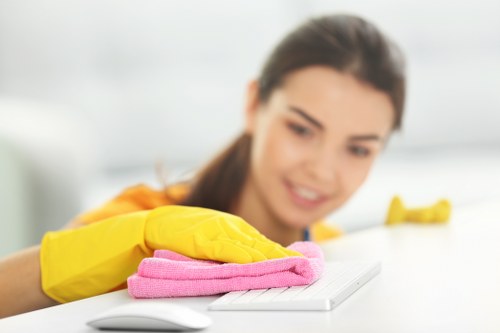
First impressions are powerful, and office cleaning is a major part of how those impressions are formed. Visitors often judge a business within seconds of entering a building. Clean floors, organized common areas, and fresh-smelling rooms suggest professionalism and attention to detail.
The reception area is especially important. It sets the tone for the entire visit. Smudged glass, dusty furniture, or cluttered counters can undermine trust, while a spotless entry space can immediately make guests feel welcome. In this way, office cleaning contributes directly to brand perception.
Conference rooms and meeting spaces also matter. These are areas where major decisions are made, and cleanliness helps create a polished atmosphere. Office cleaning services that focus on presentation can support sales meetings, client presentations, and internal collaboration alike.
Areas visitors notice first
- Entrance floors and door glass
- Reception desks and waiting areas
- Restrooms near public spaces
- Meeting rooms and presentation areas
- Smell and overall freshness of the office
Customizing Office Cleaning for Different Business Types
Not every workplace has the same cleaning needs. A law office, tech startup, medical admin suite, co-working space, and customer service center all operate differently. That is why office cleaning should be tailored to the specific layout, traffic, and function of the space.
High-traffic offices may need more frequent cleaning of lobbies, restrooms, and breakrooms. Smaller offices with fewer employees might need lighter daily service but more attention during monthly deep cleans. The most effective office cleaning plans are flexible and responsive to actual use.
Some businesses may require eco-friendly cleaning products, low-fragrance solutions, or after-hours service to avoid disruptions. Others may need special care around electronics, confidential documents, or premium flooring. A customized plan ensures that office cleaning supports the work being done rather than interrupting it.
Factors that shape a cleaning plan
- Number of employees and daily visitors
- Type of flooring and surface materials
- Frequency of meetings and client visits
- Kitchen, restroom, and breakroom usage
- Industry-specific hygiene requirements
By matching the service to the environment, businesses can get better results and avoid paying for tasks they do not need.
How Office Cleaning Supports Productivity
Clean workplaces are often more productive workplaces. When employees do not have to navigate clutter, dust, or unpleasant odors, they can focus more easily on their tasks. Office cleaning helps reduce visual distractions and creates a sense of order that can improve concentration.
There is also a psychological benefit. People tend to feel more motivated in spaces that look cared for. A tidy workstation or breakroom can encourage employees to keep their own areas organized. In that sense, office cleaning can influence workplace behavior in a positive way.
It is easier to maintain momentum in a clean environment. Teams lose less time searching for items on cluttered desks, dealing with mess-related complaints, or waiting for neglected areas to be addressed. In busy operations, those small time savings can add up quickly.
Productivity benefits of office cleaning
- Fewer distractions
- Better employee morale
- Improved focus and concentration
- Lower risk of illness-related absences
- More professional work habits
Green Office Cleaning and Sustainable Choices
Many organizations now want cleaning solutions that support sustainability goals. Green office cleaning uses products and methods designed to reduce harsh chemical exposure and environmental impact. This can be an appealing option for businesses that value wellness and corporate responsibility.
Eco-friendly office cleaning may include biodegradable cleaners, microfiber tools that reduce waste, and efficient water use. It can also involve selecting products with low volatile organic compounds, which may be better for indoor air quality. These choices can make the office feel cleaner without introducing strong chemical odors.
Sustainability in office cleaning is not just about product labels. It can also mean smarter scheduling, reduced disposable waste, and targeted cleaning methods that avoid overuse of resources. Businesses that take this approach often find it aligns well with modern workplace expectations.
Eco-conscious cleaning practices
- Use refillable and concentrated products when possible
- Choose reusable microfiber cloths and mop heads
- Limit waste through efficient supply management
- Prioritize low-toxicity cleaners in shared spaces
- Train staff on responsible use of materials
Office Cleaning Frequency: How Often Is Enough?
The right cleaning frequency depends on office size, usage, and expectations. A busy office with constant foot traffic may require daily cleaning, while a smaller professional suite may only need service several times a week. The goal is to keep the environment consistently clean without creating unnecessary disruption.
Some tasks should be done daily, while others can be scheduled weekly or monthly. High-touch surfaces, restrooms, and trash removal usually require more frequent attention. Less visible tasks like carpet extraction or window detailing can be spaced out but should still be included in the plan.
When office cleaning is scheduled correctly, the workspace remains fresh without feeling over-maintained or under-serviced. A practical routine can also help businesses budget more accurately and track cleaning performance more easily.
General frequency suggestions
- Daily: restrooms, touchpoints, trash removal, kitchen surfaces
- Weekly: dusting, vacuuming, mopping, glass cleaning
- Monthly: deep cleaning, carpet care, detailed surface work
- Quarterly: extra detail cleaning and maintenance reviews
These are general recommendations, and the best schedule depends on how your office is used.
What to Look for in an Office Cleaning Service
Choosing the right office cleaning provider can make all the difference in your results. A dependable service should offer consistency, attention to detail, and the ability to adapt to your workplace needs. It should also understand how to clean efficiently in active office environments.
Look for a provider that communicates clearly and can explain what is included in the service. Transparency matters, especially when you are trusting someone with shared work areas, equipment, and sensitive spaces. Professional office cleaning should feel organized and reliable from the start.
It is also important to consider experience with your type of facility. Some cleaners specialize in smaller offices, while others are better suited to multi-floor corporate spaces or multi-tenant buildings. Matching the provider to the setting can lead to better long-term outcomes.
Qualities of a strong office cleaning partner
- Consistent service quality
- Clear cleaning checklists
- Flexible scheduling options
- Knowledge of workplace hygiene standards
- Ability to handle routine and deep cleaning
Office cleaning works best when the service provider understands your expectations and can maintain them over time. Businesses should feel confident that essential spaces will be cleaned properly and on schedule.
Office Cleaning Challenges and How to Handle Them
Even with a strong cleaning plan, offices can present challenges. Shared use of kitchens, tight schedules, and high foot traffic can make it difficult to keep every area spotless throughout the day. The key is to address these issues proactively rather than reactively.
One common challenge is clutter. Employees may leave papers, mugs, or personal items in shared spaces, which can slow down cleaning and create a disorganized look. Another issue is unexpected spills or messes in busy areas. Fast response matters in these situations to prevent stains, odors, or safety hazards.
Some offices also struggle with inconsistent expectations. If one department keeps shared areas neat while another does not, the overall result can feel uneven. A clear office cleaning routine supported by workplace standards can help create better cooperation.
Tips for handling office cleaning challenges
- Set expectations for shared spaces
- Encourage employees to clear work surfaces
- Respond quickly to spills and messes
- Use checklists to track recurring tasks
- Review cleaning needs regularly as the office changes
Maintaining a Long-Term Office Cleaning Strategy
Office cleaning should not be treated as a one-time effort. For best results, it needs to be part of an ongoing workplace strategy. That means reviewing cleaning frequency, adjusting services as the business grows, and paying attention to areas that consistently need extra care.
Long-term office cleaning success often depends on communication. Managers, staff, and cleaning teams should all understand priorities. When everyone knows what a clean workplace should look like, standards are easier to maintain.
Regular evaluation can also uncover opportunities for improvement. Maybe the breakroom needs more frequent attention. Maybe the carpet near the entrance shows wear faster than expected. Maybe the office layout has changed and the cleaning plan needs updating. These small adjustments can keep the service effective over time.
Elements of a lasting cleaning strategy
- Routine inspections and feedback loops
- Clear task schedules
- Seasonal cleaning adjustments
- Coordination with building maintenance
- Flexible service updates as the office evolves
Why Professional Office Cleaning Is Worth It
Some businesses consider assigning cleaning tasks internally, but professional office cleaning often delivers a higher and more consistent standard. Trained cleaners bring efficiency, the right tools, and experience with workplace hygiene practices. This can save time for employees and reduce the risk of missed details.
Professional service also supports accountability. When cleaning responsibilities are defined and scheduled, there is less confusion about who should handle what. That consistency can be especially valuable in larger offices or shared spaces with multiple teams.
In many cases, outsourced office cleaning is also more cost-effective than it first appears. Better floor care, fewer repairs, and improved workplace cleanliness can all create long-term value. For businesses focused on image, health, and productivity, the investment can be well justified.
Office cleaning is ultimately about creating an environment where people can do their best work. Clean offices are not only more pleasant to use, but also easier to manage and maintain.
Final Thoughts on Office Cleaning
Office cleaning is essential for businesses that want to support employee wellbeing, present a professional image, and keep their workspace operating smoothly. From daily maintenance to deep cleaning routines, every effort contributes to a healthier and more productive office environment.
By focusing on the right tasks, choosing the right schedule, and tailoring the service to the needs of the space, businesses can achieve cleaner results with less stress. The best office cleaning approach is consistent, practical, and designed around real workplace demands.
If your office could benefit from a cleaner, fresher, and more organized environment, now is the time to act. Contact us today to explore options that fit your needs, or book your service now to take the next step toward a better workplace.