End of Tenancy Cleaning: A Practical, SEO-Friendly Approach to Stress-Free Move-Outs
What End of Tenancy Cleaning Really Means

End of tenancy cleaning is the deep, detailed cleaning carried out when a tenant is preparing to leave a rented property. It is far more thorough than a regular weekly tidy-up and is usually expected to meet the standards outlined in a tenancy agreement. For tenants, it can play a major role in helping secure the return of a deposit. For landlords and letting agents, it helps ensure the property is ready for the next occupant without delay.
In many cases, end of tenancy cleaning is one of the final tasks before handing back the keys. It involves attention to areas that are often overlooked during everyday cleaning, such as skirting boards, behind appliances, inside cupboards, light fittings, and bathroom grout. This is why end of tenancy cleaning is often seen as a separate service from standard domestic cleaning. It requires time, structure, and a careful eye for detail.
Whether you are moving out of a flat, house, or shared property, end of tenancy cleaning can make the difference between a smooth exit and unnecessary disputes. A spotless property presents well, satisfies inventory checks, and leaves a positive final impression. If you are planning a move soon, understanding how this process works can save both money and stress.
Why End of Tenancy Cleaning Matters
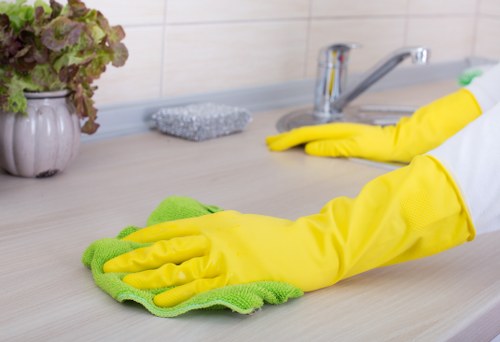
One of the biggest reasons tenants search for end of tenancy cleaning is to help protect their deposit. Most rental agreements require the property to be returned in the same condition it was received, minus reasonable wear and tear. If cleaning falls short, landlords or agents may deduct cleaning costs from the deposit. A well-executed clean reduces that risk significantly.
There is also a practical benefit for landlords and property managers. A properly cleaned property can be marketed faster and more effectively. Fresh, hygienic rooms make a strong first impression on prospective tenants, and this can help reduce vacancy periods. In a competitive rental market, presentation matters.
For tenants, end of tenancy cleaning is more than a chore; it is a financial and legal safeguard. If the check-out inspection reveals dust, stains, or limescale buildup, the resolution process can become time-consuming. Professional end of tenancy cleaning helps prevent arguments, delays, and unnecessary back-and-forth. It supports a clean break and a clear handover.
What Is Typically Included in End of Tenancy Cleaning?
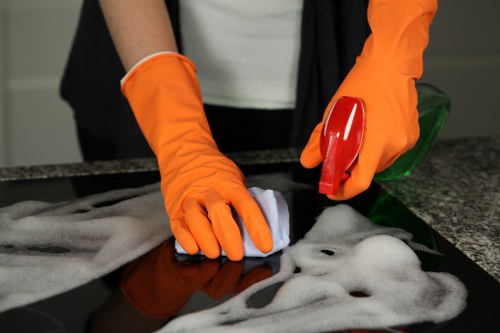
Although each property is different, end of tenancy cleaning usually follows a detailed checklist. The aim is to clean the home from top to bottom, leaving no obvious dirt or residue behind. Common tasks include dusting, vacuuming, mopping, disinfecting surfaces, and cleaning hard-to-reach areas. Kitchens and bathrooms often receive the most attention because they tend to show the most visible wear.
Typical areas covered during tenancy cleaning include:
- All floors, carpets, and rugs
- Skirting boards, doors, and door frames
- Window interiors, ledges, and tracks
- Kitchen cabinets, counters, sinks, and splashbacks
- Ovens, hobs, extractor fans, and appliances
- Bathrooms, including toilets, baths, showers, and tiles
- Bedrooms, living rooms, hallways, and storage spaces
- Light switches, sockets, radiators, and vents
Some properties may require extra services such as carpet cleaning, upholstery cleaning, or mould treatment. It is always wise to review the inventory report and tenancy contract before starting. That way, you know exactly which tasks are expected and can avoid missing anything important.
How to Prepare for End of Tenancy Cleaning

Good preparation makes end of tenancy cleaning easier and more effective. Before you begin, remove all personal belongings from the property. Empty cupboards, drawers, wardrobes, and storage spaces so that every surface is accessible. A clutter-free home is far simpler to clean thoroughly, and it allows you to see any problem areas that might otherwise be hidden.
Next, check your tenancy agreement and inventory report. These documents often provide clues about the expected standard of cleanliness. Some landlords specify exact requirements, such as professional carpet cleaning or oven cleaning. Others simply expect the home to be returned in the same condition as at the start of the tenancy. Understanding these expectations early is extremely helpful.
It is also smart to gather the right supplies in advance. A well-prepared cleaning kit may include:
- Microfibre cloths
- Multi-surface cleaner
- Degreaser
- Bathroom limescale remover
- Glass cleaner
- Vacuum cleaner
- Mop and bucket
- Sponges, brushes, and rubber gloves
With the right tools on hand, end of tenancy cleaning becomes more manageable and far less stressful. Planning ahead also helps you work through the job systematically instead of rushing at the last minute.
Room-by-Room Cleaning Priorities
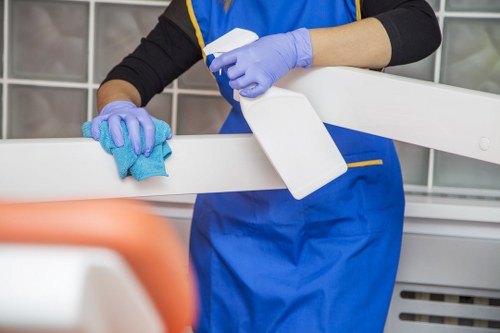
Because a rental property contains multiple spaces, it helps to clean each room with a clear strategy. A room-by-room approach ensures no area gets overlooked and lets you focus on the tasks that matter most. In an end of tenancy cleaning process, consistency is just as important as effort.
Kitchen Cleaning Priorities
The kitchen is often the most demanding room in the house. Grease, food residue, and limescale can quickly build up, especially around cooking and washing areas. Important tasks include cleaning inside and outside cupboards, wiping down worktops, sanitising the sink, and tackling baked-on grime in the oven. Don’t forget appliance exteriors, handles, splashbacks, and the tops of cabinets.
Bathroom Cleaning Priorities
Bathrooms require a strong focus on hygiene. Limescale on taps and shower screens, soap residue on tiles, and buildup around drains are common issues. An effective end of tenancy cleaning routine should include disinfecting the toilet, cleaning the bath and shower enclosure, polishing mirrors, and removing mould where possible. A fresh-smelling bathroom can dramatically improve the overall impression of the property.
Living Room and Bedrooms
These areas usually need dusting, vacuuming, and wiping of surfaces, but details matter here too. Clean behind furniture, inside wardrobes, around sockets, and under radiators. Windows should be clear, floors spotless, and any marks on walls gently removed where possible. A tidy finish gives the whole property a more polished appearance.
Professional vs DIY End of Tenancy Cleaning
Many tenants wonder whether they should handle end of tenancy cleaning themselves or hire professionals. The answer depends on time, budget, property size, and the level of cleanliness required. DIY cleaning may work well for smaller homes or tenants who have kept the property in excellent condition throughout the tenancy. However, it can be demanding if the property is large or heavily used.
Professional cleaners bring experience, equipment, and a structured approach. They know what letting agents often look for during inspections and can work more efficiently in high-traffic areas such as kitchens and bathrooms. For busy tenants, this can be a major advantage. It saves hours of work and reduces the pressure of trying to meet strict standards alone.
There are also situations where a professional service is especially useful:
- When the move-out deadline is tight
- When carpets, ovens, or upholstery need specialist care
- When the property has not been cleaned regularly
- When multiple tenants need to coordinate leaving at the same time
- When the tenancy agreement specifically requires professional cleaning
That said, DIY cleaning can still be effective if you are organised and thorough. The key is to be realistic about the time and energy required. A rushed clean usually costs more in the long run if deductions are made from the deposit.
Common Mistakes to Avoid
Even with the best intentions, it is easy to miss important details during end of tenancy cleaning. One common mistake is cleaning only the visible areas. Dust often collects behind radiators, under beds, on top of cupboards, and in corners that are rarely seen during daily life. These are exactly the kinds of places that can show up during an inspection.
Another frequent issue is forgetting appliances and fixtures. A clean room can still appear neglected if the oven is greasy, the shower screen is cloudy, or the skirting boards are dusty. Paying attention to small details is what separates an average clean from an effective end of tenancy cleaning result.
Other mistakes include:
- Leaving cleaning until the final day
- Using the wrong cleaning products on delicate surfaces
- Skipping limescale removal in bathrooms
- Ignoring marks on walls and doors
- Forgetting to clean windows and window tracks
- Not checking the inventory report beforehand
A little planning can prevent most of these issues. A methodical approach ensures that the property is handed back in the best possible condition.
How End of Tenancy Cleaning Helps Secure a Deposit Return
Deposit disputes often happen because expectations are not aligned. A landlord may believe the property was not cleaned sufficiently, while a tenant may think it looks perfectly acceptable. This is where detailed end of tenancy cleaning becomes especially valuable. By cleaning to a high standard, you reduce the chances of disagreement and make the check-out inspection easier to pass.
Deposit protection is one of the most important reasons to invest time in a proper clean. If the property is left with visible dirt, stubborn stains, or a strong odour, the landlord may arrange professional cleaning and deduct the cost from the deposit. These deductions can be avoided with good preparation and careful execution.
To improve your chances of a full deposit return, focus on:
- Following the tenancy agreement exactly
- Matching the condition shown in the inventory report
- Cleaning all rooms thoroughly, not just the obvious areas
- Taking dated photos after cleaning is complete
- Keeping receipts for any specialist cleaning services
In many cases, a strong end of tenancy cleaning effort is one of the simplest ways to reduce stress during the moving process and protect your money.
Tips for a Faster, Better Clean
If you want to make end of tenancy cleaning more efficient, it helps to work from top to bottom and from one room to the next in a consistent order. This avoids cleaning the same area twice and ensures dust or debris does not fall onto already cleaned surfaces. For example, begin with cobwebs, shelves, and upper fixtures before moving on to furniture and floors.
Another useful strategy is to break the work into manageable sections. Rather than treating the entire property as one overwhelming task, assign time to specific rooms or jobs. This approach is especially helpful if you are balancing moving boxes, utility changes, and key handover deadlines at the same time.
Simple cleaning habits that save time:
- Open windows to improve ventilation while cleaning
- Use one room as a staging area for supplies
- Let cleaning products sit for a few minutes before wiping
- Use microfiber cloths for better dust removal
- Vacuum before mopping to avoid spreading dirt
Extra attention for high-visibility areas:
Door handles, light switches, taps, and mirrors tend to attract fingerprints and smudges. These small touches can have a surprisingly large impact on the final impression. A clean, polished finish makes the whole property appear well cared for.
When to Book a Professional End of Tenancy Cleaning Service
There are times when booking a professional end of tenancy cleaning service is the smartest option. If the move-out deadline is approaching quickly, expert help can take a huge burden off your shoulders. Professional cleaners work with a checklist, know what to prioritise, and often finish the job faster than an untrained cleaner working alone.
This option is also ideal if the property has challenging areas such as heavily soiled ovens, stained carpets, or stubborn bathroom build-up. Specialists use commercial-grade products and tools that are not always available to the average tenant. As a result, the finished property often looks cleaner and more presentable than a DIY attempt might achieve.
For renters with demanding schedules, families with children, or anyone already managing a house move, professional end of tenancy cleaning can be a practical investment. It saves time, reduces stress, and can improve your chances of a smooth handover. If you want a cleaner, more efficient move-out process, book your service now and simplify the final stage of your tenancy.
Why End of Tenancy Cleaning Is Worth the Effort
At the end of a lease, the condition of the property can influence much more than appearance. It can affect finances, timing, and the relationship between tenant and landlord. That is why end of tenancy cleaning remains such an important part of the moving process. A well-cleaned property shows responsibility and care, and it helps create a smoother transition for everyone involved.
It also contributes to a stronger rental cycle overall. A properly cleaned home is easier to re-let, easier to inspect, and easier to maintain. For tenants, it brings closure. For landlords, it creates readiness. For agents, it supports a professional and efficient handover. Very few move-out tasks have such a practical impact.
Whether you decide to handle the work yourself or hire experts, the goal is the same: return the property in excellent condition. By following a structured approach, using the right products, and focusing on the details, end of tenancy cleaning becomes far less overwhelming. If you are preparing to move, contact us today and take the next step toward a cleaner, simpler exit.
Final Thoughts on End of Tenancy Cleaning
Moving home can be exciting, but it also brings pressure, deadlines, and plenty of tasks to manage. End of tenancy cleaning is one of those jobs that can feel daunting at first, yet it becomes much easier with a clear plan. When done properly, it helps protect the deposit, supports a good landlord-tenant relationship, and makes the property ready for its next chapter.
From kitchens and bathrooms to living rooms and bedrooms, every part of the home deserves attention. The more thorough the clean, the better the outcome is likely to be. Whether you opt for a full DIY effort or prefer professional assistance, prioritising tenancy cleaning is always a smart move. It is not just about appearances; it is about completing the tenancy on the right terms.
If you are preparing for an upcoming move, now is the time to act. Review the checklist, gather your supplies, and decide whether you need professional support. Book your service now or start planning your clean today so you can hand back the property with confidence, clarity, and peace of mind.