Insurance and Safety
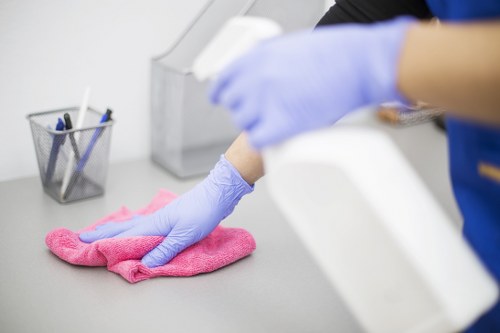 When it comes to maintaining a safe, reliable, and professionally managed environment, insurance and safety are closely connected. A strong insurance safety framework helps protect people, property, and operations while supporting confidence in day-to-day work. For businesses and organisations of all sizes, the right combination of planning, protection, and training can reduce exposure to accidents, claims, and avoidable disruption.
One of the most important safeguards is public liability insurance. This cover is designed to protect against claims made by third parties for injury or property damage caused by business activities. Whether work takes place on-site, in a public space, or at a client location, public liability cover plays a vital role in an overall insurance and safety strategy. It does not replace safe working practices, but it does provide financial protection if something goes wrong despite careful precautions.
Alongside insurance, staff training is essential. Well-trained teams are more likely to follow procedures, identify hazards early, and respond correctly in an emergency. Training should be regular, practical, and relevant to the specific tasks being carried out. Topics may include manual handling, fire safety, equipment use, incident reporting, and site awareness. A workforce that understands both safety responsibilities and the value of liability protection is better prepared to reduce risk in everyday operations.
 Effective staff training should be more than a one-time induction. Refresher sessions help reinforce safe habits and keep employees updated on changes to processes, legislation, or equipment. Training records are also important, as they demonstrate a clear commitment to workplace safety and can support insurance processes if an incident occurs. In many environments, the combination of knowledge, supervision, and clear procedures is just as important as the cover provided by an insurance and safety policy.
Personal protective equipment, or PPE, is another core part of risk control. Depending on the setting, this may include helmets, gloves, eye protection, hi-vis clothing, masks, hearing protection, or safety footwear. PPE should be selected according to the risks involved and used alongside other controls rather than as the only safeguard. Proper fit, maintenance, storage, and replacement are all part of keeping PPE compliance effective. When staff understand when and how to use protective gear, the chance of injury can be significantly reduced.
 The risk assessment process underpins every reliable safety system. It begins by identifying hazards, then evaluating who may be harmed and how serious the consequences could be. From there, control measures are put in place to remove or reduce the risk as far as reasonably practical. A good risk assessment is clear, site-specific, and reviewed regularly, especially when tasks, equipment, or staffing levels change. This process supports both day-to-day workplace safety and the wider insurance considerations that help protect the organisation.
To be effective, a risk assessment should not sit on a shelf. It should guide real actions, such as updating procedures, improving signage, tightening supervision, or introducing new PPE requirements. In a well-run insurance and safety plan, risk assessments are living documents that adapt to changing conditions. They help businesses show that hazards have been considered thoughtfully, which can be important in the event of a claim or investigation.
Public liability cover, staff training, PPE, and risk assessments work best when they are treated as part of one integrated system. For example, a properly trained employee who wears the right PPE and follows a documented procedure is less likely to create an incident. If an accident still occurs, the business is better positioned because it has taken sensible precautions and maintained appropriate insurance cover. This balanced approach helps reduce both operational risk and financial uncertainty.
Clear communication is also central to a strong safety culture. Workers should know how hazards are reported, who is responsible for checking controls, and what to do if conditions become unsafe. Supervisors and managers should lead by example, reinforcing the importance of safety compliance and making sure protective measures are not bypassed for convenience. Over time, these habits create a more resilient workplace where insurance protection and practical safety measures support one another.
 Regular reviews are essential to keep standards high. Insurance policies should be checked to ensure they remain suitable for the type of work being carried out, while safety procedures should be revised after changes, near misses, or incidents. Insurance and safety should never be treated as separate topics; together, they form a framework that helps protect people and operations in a structured, responsible way.
It is also helpful to document inspections, maintenance, training attendance, and risk assessment updates. This creates a clear record of diligence and helps demonstrate that the organisation takes public liability insurance and workplace protection seriously. When records are maintained properly, decision-making becomes easier and safety improvements can be tracked over time.
 Ultimately, a strong approach to insurance and safety is built on preparation, awareness, and consistency. With suitable public liability cover, ongoing staff training, appropriate PPE, and a thorough risk assessment process, organisations can reduce avoidable harm while creating a safer environment for everyone involved. The result is a more confident operation, supported by practical controls and responsible risk management.