Regular Cleaning: Why Consistent Cleaning Habits Create Healthier, Happier Spaces
Why Regular Cleaning Matters for Every Space
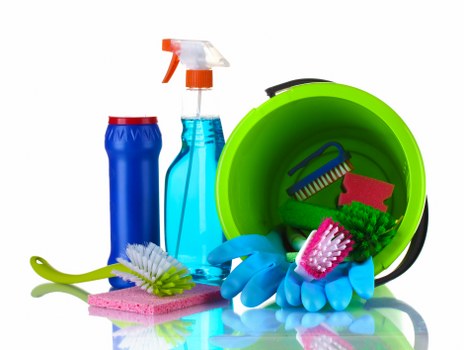
Regular cleaning is one of the simplest ways to improve the look, feel, and function of any home, office, or shared environment. When cleaning happens on a consistent schedule, surfaces stay fresher, clutter stays under control, and dirt has less time to build up. That means less stress, fewer unpleasant odors, and a more welcoming atmosphere for everyone who enters the space.
Many people think of cleaning as a task to tackle only when things start looking messy. In reality, regular cleaning prevents small problems from becoming big ones. Dust, grease, soap residue, and grime can accumulate quickly, especially in high-use areas like kitchens, bathrooms, hallways, and workspaces. By cleaning often, you reduce the chance of stubborn stains, lingering bacteria, and long-term wear on floors, furniture, and fixtures.
Another major benefit of regular cleaning is that it supports a healthier indoor environment. When dust and allergens are removed routinely, indoor air quality improves. This is especially important for households with children, seniors, pets, or anyone with allergies or respiratory sensitivities. A clean environment does not just look better; it can also feel better to live and work in every day.
The Health Benefits of Regular Cleaning
One of the strongest reasons people prioritize regular cleaning is health. Germs and bacteria can spread easily on commonly touched surfaces such as doorknobs, switches, countertops, and desks. Routine cleaning helps reduce the presence of these contaminants, creating a safer environment for families, employees, and visitors.
Dust control is another important part of maintaining a healthy space. Dust contains skin cells, pollen, fabric fibers, and other particles that can irritate the eyes, nose, and lungs. With consistent cleaning, these particles are removed before they settle deeply into carpets, upholstery, and vents. This can make a noticeable difference for people who struggle with allergies or asthma.
Bathrooms and kitchens require special attention because moisture and food residue can encourage the growth of mold, mildew, and bacteria. Regular cleaning in these spaces helps keep sinks, tiles, counters, and appliances sanitary. It also prevents unwanted smells and gives you greater confidence that the space is safe for daily use.
Cleaner spaces support better habits
When a room is clean, people tend to take better care of it. That can lead to improved organization, less clutter, and more mindful use of shared spaces. A tidy environment makes it easier to wash hands, store items properly, and keep everyday messes from getting out of control.
How Regular Cleaning Protects Your Investment

Regular cleaning is not just about appearances. It also protects the materials and finishes in your property. Floors, countertops, cabinets, upholstery, and fixtures all experience daily wear. When dust, spills, and residue are left sitting for too long, they can stain, scratch, dull, or weaken surfaces over time.
For example, hardwood floors benefit from frequent sweeping or vacuuming because grit can act like sandpaper underfoot. Likewise, stainless steel appliances look better and last longer when fingerprints and smudges are wiped away regularly. Even small habits, such as cleaning up spills right away, can preserve the condition of your home or workplace.
In commercial environments, regular cleaning can reduce repair costs and extend the life of expensive equipment and furnishings. A well-maintained space creates a more professional image and can help avoid premature replacement of carpets, chairs, and work surfaces. This makes cleaning a practical investment rather than just a routine chore.
Prevention is cheaper than restoration
Deep stains, mold growth, and long-term grime often require specialized treatment. Staying consistent with cleaning tasks lowers the risk of needing costly restoration work later. In many cases, the time spent on routine maintenance saves both money and effort in the long run.
Regular Cleaning for Better Organization and Productivity
A clean environment naturally supports better organization. When items are stored properly and clutter is managed on a regular basis, it becomes easier to find what you need. This is especially valuable in busy homes, offices, and retail spaces where time matters.
Regular cleaning also improves productivity. A clutter-free desk or workspace reduces distractions and helps people focus on the task at hand. Studies and workplace experience alike show that physical order often contributes to mental clarity. When the environment feels controlled, people can work more efficiently and with less frustration.
At home, consistent cleaning can make routines smoother. Mornings become easier when counters are clear, floors are free of obstacles, and essential items are in their place. Even small efforts like making the bed, wiping surfaces, and putting things away can create a noticeable sense of order throughout the day.
- Clear surfaces make tasks faster and easier.
- Organized spaces reduce unnecessary stress.
- Routine tidying helps prevent clutter buildup.
- Clean environments support better concentration and decision-making.
What Regular Cleaning Should Include

The exact cleaning routine depends on the size and type of space, but most effective schedules include a mix of daily, weekly, and monthly tasks. A well-rounded approach to regular cleaning ensures that visible dirt is removed while less obvious buildup is addressed before it becomes a bigger problem.
Daily cleaning usually focuses on high-traffic and high-touch areas. This might include wiping counters, sweeping visible debris, cleaning spills, sanitizing handles, and emptying trash. Weekly cleaning often goes deeper, covering bathrooms, mopping floors, changing linens, dusting furniture, and cleaning appliances. Monthly tasks may include washing windows, cleaning vents, organizing storage areas, and addressing neglected corners.
Consistency is more important than perfection. A simple routine maintained over time often delivers better results than an occasional intense effort. The goal is to keep surfaces and spaces in a condition that feels fresh, orderly, and manageable.
Common areas to prioritize
- Kitchens and food preparation areas
- Bathrooms and washrooms
- Entryways and hallways
- Workstations and desks
- Floors, baseboards, and corners
- Frequently touched surfaces and fixtures
By focusing on these key areas, regular cleaning becomes more effective and easier to maintain.
Regular Cleaning in Homes: Creating Comfort and Calm
In residential settings, regular cleaning helps create a comfortable and relaxing home environment. A clean home feels more inviting for the people who live there and for guests who visit. It can also reduce tension among family members by limiting arguments over clutter, mess, or shared responsibilities.
Bedrooms, living rooms, kitchens, and bathrooms each benefit from consistent care. In bedrooms, cleaning can include vacuuming, dusting, and changing bedding. In living rooms, it may involve organizing surfaces, cleaning upholstery, and removing dust from electronics. Kitchens and bathrooms often need more frequent attention because they accumulate moisture, residue, and germs faster than other areas.
Regular cleaning also supports better daily habits. When a home is already tidy, people are more likely to put items away, wash dishes promptly, and clean up after themselves. These habits create a cycle of order that keeps the whole home more manageable over time.
Why small tasks matter
Small cleaning actions may seem minor, but they make a large difference when done consistently. Wiping the sink after use, sweeping crumbs, or clearing countertops can prevent larger messes from developing. These simple steps are the foundation of a clean and functional home.
Regular Cleaning in Offices and Workplaces
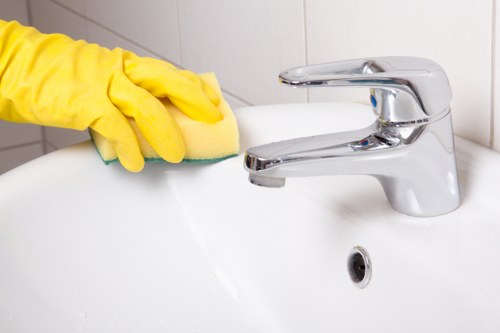
Workplaces rely on appearance, hygiene, and organization to function well. Regular cleaning in offices is important not only for staff comfort but also for professionalism. A clean office creates a stronger impression on clients, visitors, and employees, signaling that the business values order and care.
Shared workspaces can become hotspots for germs because many people touch the same surfaces throughout the day. Desks, conference tables, keyboards, handles, breakroom counters, and restroom fixtures should be cleaned routinely to reduce the spread of illness. This can support attendance, reduce disruptions, and improve morale.
A clean workplace can also influence motivation. Employees often feel more respected and more focused in a neat, well-maintained environment. Regular cleaning sends a message that the workplace is organized, healthy, and worth caring for. In turn, people often mirror that standard in their own behavior.
Workplace cleaning priorities
- Disinfect high-touch surfaces every day.
- Keep floors clear of debris and hazards.
- Empty trash and recycling bins regularly.
- Maintain restrooms and break areas carefully.
- Schedule deeper cleaning for carpets, vents, and upholstery.
With these habits in place, regular cleaning supports both efficiency and a professional atmosphere.
Regular Cleaning and Mental Well-Being
The connection between environment and mood is stronger than many people realize. A cluttered or dirty space can create a sense of overwhelm, while a clean and orderly space can feel calming. Regular cleaning can therefore contribute to better mental well-being by reducing visual noise and making a space feel more manageable.
People often report feeling more relaxed after tidying or cleaning. There is a clear psychological benefit to knowing that surfaces are fresh, items are in place, and the environment is under control. Even a short cleaning session can provide a sense of accomplishment and momentum.
For those who feel anxious or stressed, maintaining a regular cleaning routine can be especially helpful. It provides structure and encourages small, achievable actions. Rather than waiting for a room to become overwhelming, a routine keeps the workload spread out and easier to handle.
A cleaner environment can support clearer thinking
When surroundings are organized, people often find it easier to think, plan, and relax. This is why regular cleaning is often associated with a better quality of life. It is not only about appearance; it is about creating a space where everyday life feels lighter and more intentional.
Building a Practical Cleaning Routine
One of the best ways to stay consistent is to create a routine that fits your lifestyle. A successful regular cleaning schedule should be realistic, balanced, and easy to follow. If a routine is too demanding, it may not last. If it is too vague, important tasks may be forgotten.
Start by identifying the spaces that need the most attention. Then divide tasks by frequency. Daily tasks might take only 10 to 20 minutes, while weekly cleaning can be done in focused sessions. Monthly work can be scheduled ahead of time so it does not get overlooked.
Flexibility matters too. Some weeks are busier than others, and a cleaning routine should adapt without falling apart. The goal is to maintain standards over time, not to achieve unrealistic perfection every day.
Simple ways to stay consistent
- Use a checklist for daily and weekly tasks.
- Set timers to make short cleaning sessions manageable.
- Assign responsibilities to household members or team members.
- Keep cleaning supplies accessible and organized.
- Address messes immediately instead of postponing them.
When routine cleaning becomes a habit, it requires less effort and creates better long-term results.
Regular Cleaning vs. Deep Cleaning
It is helpful to understand the difference between regular cleaning and deep cleaning. Regular cleaning focuses on maintenance. It involves routine tasks that keep a space tidy, sanitary, and functional. Deep cleaning goes further by targeting buildup in hard-to-reach areas or dealing with more intensive grime and neglected zones.
For example, regular cleaning might include wiping counters and vacuuming floors, while deep cleaning may involve scrubbing grout, cleaning behind appliances, or washing baseboards. Both are important, but they serve different purposes. Routine cleaning keeps the environment under control, while deep cleaning refreshes and restores it more thoroughly.
A smart maintenance plan uses both approaches. Regular cleaning prevents mess from accumulating too quickly, and deep cleaning helps maintain a higher standard over time. Together, they create the best long-term results for homes, workplaces, and commercial properties.
When to schedule deeper cleaning
Deep cleaning is often useful during seasonal changes, before special events, after renovations, or whenever a space has been neglected. Even then, regular upkeep should continue so the area does not return to a messy state too quickly.
Why Regular Cleaning Is a Smart Long-Term Habit
Regular cleaning is one of the most reliable ways to maintain comfort, hygiene, and value in any environment. It reduces the chance of major messes, protects surfaces, supports health, and helps people feel more in control of their surroundings. Over time, the benefits become even more noticeable because consistent care prevents problems before they grow.
In homes, it creates a calmer and more pleasant atmosphere. In offices, it supports professionalism and productivity. In shared or public spaces, it improves safety and the overall experience for everyone. No matter the setting, the message is the same: routine care matters.
If you want your space to look better, function better, and feel better, regular cleaning is the foundation. Keep the routine simple, stay consistent, and focus on the areas that matter most. Small efforts done often can transform a space more effectively than occasional major cleanups.
Take the next step today: create your cleaning schedule, gather your supplies, and make maintenance a priority. Contact us today to keep your space in top condition, or book your service now if you want dependable help maintaining a cleaner, healthier environment.