Deep Cleaning in the Modern Home: A Practical Approach to a Fresher, Healthier Space
Why Deep Cleaning Matters More Than You Think

Deep cleaning is more than a routine chore; it is a focused cleaning method that reaches the places daily tidying often misses. While regular cleaning keeps surfaces presentable, deep cleaning targets hidden dust, grease, buildup, and bacteria that accumulate over time. In busy homes, offices, and rental properties, deep cleaning helps restore freshness, improve hygiene, and make spaces feel truly renewed.
Many people search for deep cleaning services when a space begins to feel dull, dusty, or overwhelmed by clutter and grime. This process is especially valuable in kitchens, bathrooms, bedrooms, and high-traffic areas where dirt settles into corners, fixtures, and hard-to-reach surfaces. A thorough deep cleaning can improve air quality, extend the life of furniture and appliances, and create a more comfortable environment for everyone.
For homeowners and tenants alike, deep cleaning is often the difference between a space that simply looks clean and one that feels genuinely refreshed. Whether you are preparing for guests, moving in or out, or refreshing your home after a long season of use, deep cleaning can transform the entire atmosphere. Book your service now if your space needs that extra level of care.
What Deep Cleaning Includes
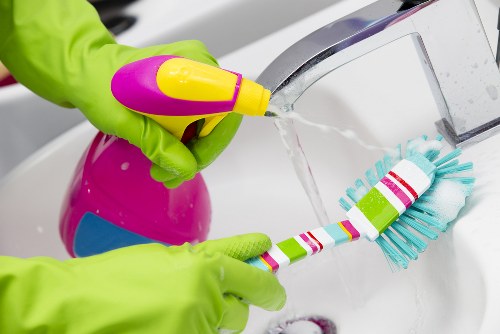
Deep cleaning goes well beyond dusting shelves or wiping counters. It focuses on detailed tasks that are typically skipped during day-to-day upkeep. A proper deep cleaning routine often includes scrubbing baseboards, cleaning behind appliances, sanitizing bathroom fixtures, washing doors and handles, and removing buildup from corners and hidden areas.
Unlike surface cleaning, deep cleaning addresses grime that can affect both appearance and hygiene. Kitchens may require degreasing stovetops, cleaning inside cabinets, and removing residue from sinks and faucets. Bathrooms may need descaling, tile scrubbing, grout attention, and mirror polishing. Living rooms and bedrooms may need dust removal from vents, blinds, fans, and upholstery seams.
A detailed deep cleaning checklist usually includes both visible and overlooked areas. This may involve washing walls, cleaning light switches, disinfecting trash bins, vacuuming under furniture, and removing cobwebs from ceilings. The goal is not only to make the space look better, but also to create a healthier, more pleasant environment.
Benefits of Deep Cleaning for Homes and Workspaces
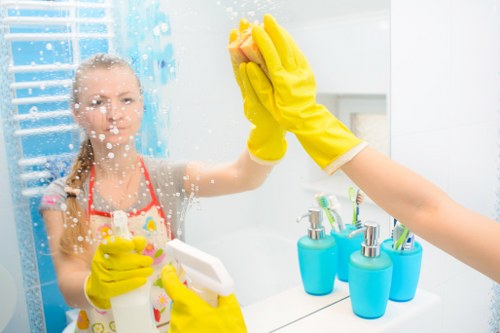
The benefits of deep cleaning are practical, visual, and even emotional. A clean environment can reduce stress, support better organization, and create a stronger sense of control. In homes, deep cleaning often leads to a more relaxing space where people can cook, sleep, and spend time with family more comfortably.
From a health perspective, deep cleaning services can help reduce allergens such as dust, pet hair, mold spores, and pollen. This is especially important for people with allergies, asthma, or sensitivities to indoor air quality. By eliminating buildup in vents, carpets, upholstery, and other hidden areas, deep cleaning supports a cleaner breathing environment.
For businesses and offices, deep cleaning helps maintain a professional appearance and can contribute to a more productive atmosphere. Clean break rooms, sanitized restrooms, and dust-free common areas make a strong impression on employees and visitors. Deep cleaning also helps preserve the condition of flooring, furniture, and equipment, reducing wear over time.
When to Schedule Deep Cleaning
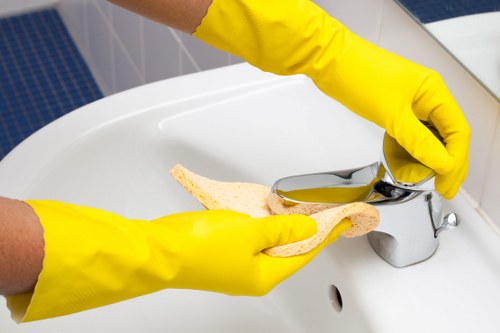
Knowing when to schedule deep cleaning can help you stay ahead of buildup instead of reacting to it. Many households benefit from seasonal deep cleaning, especially during spring and fall. These periods are ideal for cleaning areas that may have been overlooked during regular maintenance.
There are also specific situations where deep cleaning becomes especially important. Moving into a new property often calls for a fresh start, and moving out usually requires a detailed clean to leave the space in excellent condition. Special events, family gatherings, renovations, or long periods of inactivity can also make a deep cleaning necessary.
If you notice persistent odors, dull surfaces, sticky residue, or dust returning quickly after cleaning, it may be time for a more detailed approach. Deep cleaning is also useful after illness, pet shedding seasons, or periods of heavy indoor activity. The earlier you address buildup, the easier it is to maintain a clean and inviting space.
Deep Cleaning Room by Room
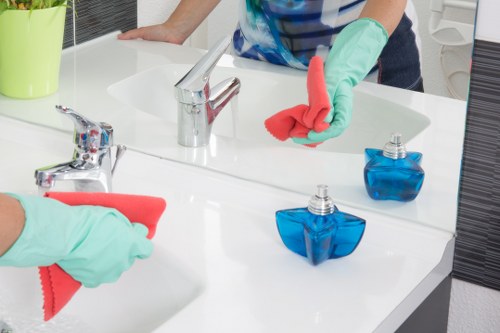
One of the best ways to approach deep cleaning is to work room by room. This creates structure and ensures that no important areas are missed. Each room has unique needs, so the tasks should be adjusted according to surface type, usage, and level of buildup.
Kitchen Deep Cleaning
The kitchen is often the most demanding room in the home when it comes to deep cleaning. Grease, food particles, and moisture can accumulate quickly. Important tasks include cleaning inside the oven, wiping cabinet fronts, sanitizing countertops, degreasing backsplash tiles, and cleaning behind and under appliances. Pay close attention to the sink, faucet, and drains, as these areas can harbor buildup.
It is also helpful to clean small details such as handles, switches, light fixtures, and the tops of cabinets. These overlooked spots are common places for dust and grease to settle. A thorough kitchen deep cleaning leaves the room looking brighter, smelling fresher, and feeling more sanitary.
Bathroom Deep Cleaning
Bathrooms require special attention because moisture encourages soap scum, mildew, and mineral buildup. A proper deep cleaning should include scrubbing the shower walls, cleaning grout lines, disinfecting toilet surfaces, polishing mirrors, and descaling faucets and showerheads. Don’t forget vents, trash bins, and door hardware.
Bathrooms also benefit from cleaning behind toilets and under sinks, where dust and moisture can combine to form stubborn residue. Deep cleaning services often focus heavily on these areas because they have a direct impact on hygiene and freshness. A sparkling bathroom makes a significant difference in the overall feel of a home.
Deep Cleaning the Rest of the Home
Living Room and Bedrooms
Living spaces often collect dust on furniture, electronics, shelves, and decorative objects. During deep cleaning, these areas should be dusted from top to bottom. Vacuum upholstery, clean under cushions, wipe down baseboards, and remove dust from ceiling fans and vents. If carpets are present, a deeper vacuuming or steam treatment can help revive fibers and reduce odors.
Bedrooms benefit from laundering bedding, vacuuming mattresses, and cleaning behind and under beds. These tasks help reduce dust mites and improve sleep comfort. Deep cleaning in bedrooms also includes organizing closets, wiping wardrobes, and dusting items that are not typically touched during regular cleaning.
High-Touch Details
High-touch areas deserve special attention during deep cleaning. These include remote controls, door handles, switches, railings, and drawer pulls. Sanitizing these surfaces can help reduce the spread of germs and make the entire home feel cleaner. Even small details matter when the goal is a truly refreshed environment.
Finishing Touches That Make a Difference
The final stage of deep cleaning is all about presentation. Straightening décor, fluffing cushions, and ensuring surfaces are streak-free gives the space a polished look. Clean windows, fresh fabrics, and aligned furniture can make the entire area feel more balanced and welcoming.
Tools and Supplies for Effective Deep Cleaning
Having the right tools makes deep cleaning easier, faster, and more effective. While professional services may use specialized equipment, homeowners can achieve excellent results with a thoughtful set of supplies. A strong cleaning routine often starts with microfiber cloths, scrub brushes, sponges, mops, vacuum attachments, and disinfecting products.
It is wise to keep separate tools for different zones, especially bathrooms and kitchens. This helps prevent cross-contamination and makes the process more sanitary. For stubborn buildup, consider using degreasers, grout cleaners, or steam cleaners, depending on the surface and the type of grime involved.
Deep cleaning is easier when supplies are organized in advance. Creating a portable cleaning kit can save time and reduce interruptions. Include gloves, trash bags, all-purpose cleaner, glass cleaner, and specialty products for tile, stainless steel, wood, and fabric. When everything is ready, the job feels more manageable and less overwhelming.
How to Prepare for Deep Cleaning
Preparation is a major part of a successful deep cleaning session. Before starting, remove clutter from countertops, floors, and visible surfaces. This makes it easier to reach hidden areas and prevents obstacles from slowing you down. Sort items into keep, store, and discard categories so the space is easier to clean and maintain afterward.
It also helps to work from top to bottom. Dust and debris fall downward, so starting with ceiling fans, shelves, and upper fixtures prevents repeat work. Then move to counters, furniture, and floors. This strategy keeps the process efficient and helps ensure that deep cleaning results last longer.
Another smart step is to set aside enough time. Deep cleaning is usually not a quick task, especially in larger homes or busy households. Breaking the work into zones or scheduling it across two days can make the process more realistic. If needed, Contact us today to learn how professional support can simplify the entire experience.
Professional Deep Cleaning vs. DIY
Many people wonder whether to handle deep cleaning on their own or hire professionals. The answer depends on time, budget, home size, and cleaning goals. DIY deep cleaning can work well for smaller spaces or routine maintenance, especially if the home is already in decent condition.
Professional deep cleaning services, however, offer convenience, expertise, and stronger results for demanding situations. Trained cleaners often know how to treat delicate surfaces, reach difficult spaces, and use commercial-grade products safely. This can be especially helpful for move-in/move-out cleaning, post-renovation cleaning, or homes that need a full refresh.
For many households, a hybrid approach works best. Regular upkeep can be handled at home, while periodic professional deep cleaning addresses the areas that require more time and equipment. This balance supports both cleanliness and long-term maintenance.
Deep Cleaning Tips for Better Results
To get the best outcome from deep cleaning, it helps to follow a few practical habits. First, always clean one area fully before moving to the next. This keeps the work organized and prevents tasks from being repeated unnecessarily. Second, let cleaning products sit for a few minutes when appropriate so they can loosen grime more effectively.
Another useful tip is to pay attention to neglected details. Many people clean the center of a room but forget edges, corners, and vertical surfaces. Baseboards, vents, trim, and behind furniture often reveal how thorough a deep cleaning truly is. These spots can make a major difference in the final result.
Finally, use fresh tools and replace worn-out supplies regularly. A dirty mop or overused sponge can spread residue instead of removing it. Clean tools support better performance and help keep the entire process efficient. With the right approach, deep cleaning becomes more predictable and rewarding.
Maintaining Results After Deep Cleaning
The real value of deep cleaning comes from how long the results last. Once a space has been thoroughly cleaned, regular maintenance helps preserve the fresh feeling. Simple habits like wiping spills right away, vacuuming weekly, and dusting high-traffic areas can slow the return of buildup.
It is also helpful to create a lightweight cleaning schedule. Smaller tasks handled consistently prevent the need for constant heavy work. For example, a weekly routine might include bathroom touch-ups, floor care, and kitchen surface cleaning, while monthly tasks could cover vents, light fixtures, and appliance interiors.
When you protect the results of deep cleaning, you reduce stress and keep the home easier to manage. This creates a cycle of cleanliness that feels sustainable rather than overwhelming. A well-maintained space also makes future deep cleaning sessions faster and more effective.
Why Deep Cleaning Supports a Better Lifestyle
Clean spaces influence the way people feel and function every day. A cluttered, dusty environment can make it harder to focus, relax, or feel comfortable at home. Deep cleaning helps reset that environment and creates a stronger foundation for healthy daily living.
It also encourages better habits. When a space has been deeply cleaned, people often become more mindful about organization, waste reduction, and surface care. This can lead to improved routines and a more intentional approach to home upkeep. Deep cleaning is not just about appearance; it is about creating a space that supports well-being.
Whether you are caring for a family home, a rental unit, or a workplace, deep cleaning can be a smart investment in comfort and quality. It improves cleanliness, supports hygiene, and refreshes the atmosphere in a way that routine tidying alone cannot match. If your home is overdue for a reset, Book your service now and take the first step toward a cleaner, healthier space.