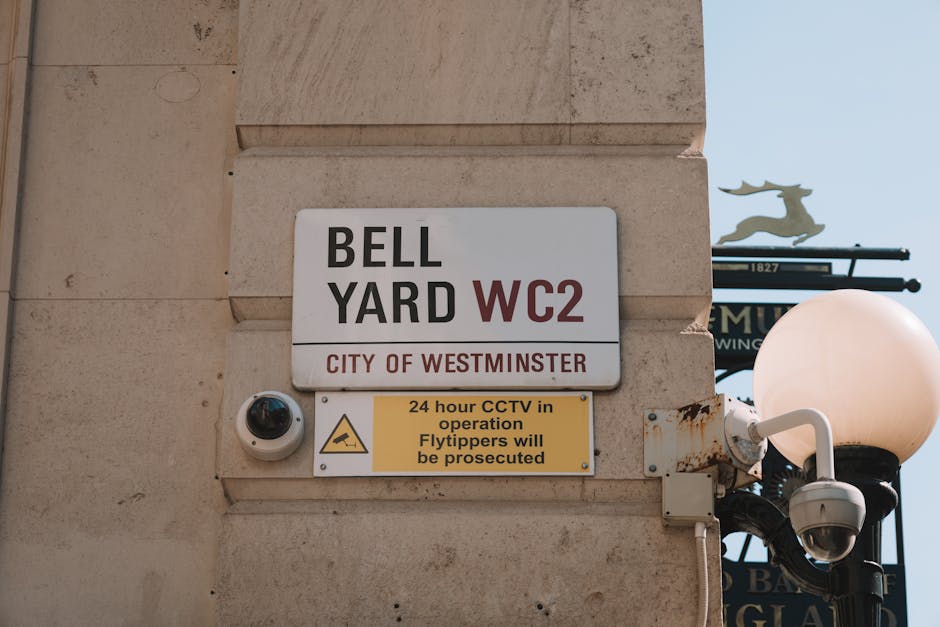
Permits for business cleaners on Elgin Avenue Westminster Council

If you are arranging cleaning work for a shop, office, managed building, or short-let property on Elgin Avenue, the permit question can feel oddly complicated for something as ordinary as a mop and a van. But there it is: Permits for business cleaners on Elgin Avenue Westminster Council may affect where you park, when you work, how you access the building, and whether you can carry out the job without a fine, a delay, or an awkward call from a concierge. Let's face it, no one wants a cleaner arriving with all the kit and then spending twenty minutes circling for parking in the rain.
This guide explains the practical side of permits, the usual compliance pressures around Westminster, and the sensible checks to make before booking work. It is written for business owners, property managers, landlords, and cleaning teams who want fewer surprises and a smoother job on the day.
In short: the cleaner may not need a permit just to clean, but the operation around the cleaning often does. That is the bit people miss.
Why permits for business cleaners on Elgin Avenue Westminster Council matters
On a busy Westminster street, access is often the real challenge, not the cleaning itself. Elgin Avenue sits in a part of London where traffic, parking controls, resident bays, loading restrictions, and building management rules can all come into play. If your team turns up without checking the practical rules first, a straightforward clean can become a messy one-pun intended.
For business cleaning, permits matter because they can affect:
- Vehicle access for vans carrying vacuum cleaners, chemicals, extension leads, ladders, or steam equipment.
- Loading and unloading time for equipment and waste bags.
- Working hours if the building has concierge rules, quiet hours, or restricted access windows.
- Staff movement where cleaners need to enter controlled entrances or service corridors.
- Waste disposal if cleaning generates bagged waste, cardboard, or contaminated materials that must be removed correctly.
The bigger point is this: when the permit or access arrangement is wrong, the whole job feels harder. The cleaner may be perfectly competent, but the operation stalls at the curb.
There is also a reputational angle. A business that regularly misses parking rules or creates access problems does not look organised. Clients notice these things. Neighbours do too. And to be fair, Westminster enforcement tends to be pretty unforgiving when rules are ignored.
Practical takeaway: for business cleaners on Elgin Avenue, permits are less about "cleaning permission" and more about ensuring lawful, uninterrupted access to the site.
How permits for business cleaners on Elgin Avenue Westminster Council works
There is no single universal permit that covers every cleaning job. That is the part that catches people out. Instead, the permit or permission you need depends on the type of activity, the vehicle used, the time of day, and the building or street controls in place.
Usually, the process works in layers:
- Check street restrictions. Is the vehicle allowed to stop, wait, load, or park near the property?
- Check the building's rules. Many managed blocks and commercial premises have their own access or delivery policies.
- Confirm the cleaning scope. A routine office clean is different from a deep clean, after-builders clean, or end-of-tenancy job involving more equipment and waste movement.
- Arrange the correct access permissions. This may include visitor passes, loading permissions, resident approvals, or booking a service lift.
- Keep evidence and timings clear. If there is a permit, booking confirmation, or access note, save it. Old-school? Maybe. Useful? Absolutely.
It helps to think of it as a chain. If one link fails, the rest gets awkward. For example, a cleaner might have the right equipment but no building access code. Or the building might allow entry, but the van cannot stop where it needs to. That is how an easy job turns into a long one.
If you are comparing cleaning services, it is sensible to ask whether they have experience with regulated or access-sensitive jobs. A provider offering commercial cleaning or office cleaning will usually understand the difference between a normal visit and a site with restricted access, concierge handling, or timed loading.
Key benefits and practical advantages
Getting permits and access arrangements sorted early may sound like admin, but it pays off fast. In real life, the benefits are mostly about calm, predictability, and fewer expensive misunderstandings.
- Faster arrivals and departures because the team knows where to go and where to stop.
- Less risk of parking problems or disputes with wardens, residents, or building managers.
- Smoother client experience since the job starts on time and ends cleanly.
- Better scheduling because the cleaner can work within realistic access windows.
- Reduced disruption for neighbours, staff, and the building itself.
- More reliable quotes when the job is planned properly from the outset.
A good permit process also improves the quality of the cleaning. That may sound odd, but it is true. If the cleaner is not rushed because of a parking scramble, they are more likely to set up properly, work in the right order, and leave the site in a better state.
For clients with repeated cleaning needs, the advantage compounds. Regular access arrangements save time week after week, which is why many businesses prefer a tidy, documented process rather than relying on "we'll sort it on the day". That phrase is usually where the trouble begins.
Who this is for and when it makes sense
This topic matters to a wider group than people first expect. If you manage or clean a property on Elgin Avenue, there is a decent chance you will need to think about permits, permissions, or access controls at some point.
Typical readers who need to check
- Office managers booking regular or one-off cleaning.
- Landlords and letting agents arranging turnover cleans.
- Concierge or building managers coordinating service access.
- Cleaning companies sending teams with vans or specialist equipment.
- Shop owners and hospitality businesses needing early-morning or late-night cleaning.
- Residents in managed blocks organising communal or flat cleaning with restricted entry rules.
It makes sense to review permits and access arrangements when any of the following apply:
- the cleaner uses a van or larger vehicle;
- the job involves bulky equipment or multiple team members;
- parking near the property is limited;
- the property sits inside a controlled or managed access environment;
- the clean must happen at a strict time, such as before opening hours;
- the job creates waste that must be removed immediately.
Here is a small real-world example. A two-person team comes to clean a small office off Elgin Avenue on a Thursday morning. The inside work is simple enough. But the street has loading pressure, the building wants a timed entry, and the client has not confirmed where the van can stop. Suddenly the job needs three separate approvals. Not complicated, just annoying. Still, annoying is enough to cause delay.
Step-by-step guidance
If you are handling permits for business cleaners on Elgin Avenue Westminster Council, a step-by-step method is the safest way to avoid missed details. You do not need to overcomplicate it. In fact, simpler is better.
1. Identify the exact site type
Start with the basics. Is it an office, retail unit, apartment block, mixed-use building, or short-let property? The site type shapes access, timing, and vehicle needs. A quiet residential block and a busy commercial frontage are not the same thing, obviously, but people often treat them as if they are.
2. Check whether the job needs vehicle access
Ask whether the cleaner is arriving on foot, by car, or in a van. If there is cleaning equipment, chemicals, vacuum machines, or waste bags, vehicle access becomes more important. That means checking loading rules, stopping restrictions, and any building-specific instructions.
3. Confirm who controls the permit or permission
Sometimes the local authority controls the street rules. Sometimes the building manager controls entry. Sometimes both do. You may need a mix of permissions, and that is normal. The trick is not to assume one approval covers everything.
4. Book the time window carefully
Choose a realistic slot. Early morning before the street fills up can be easier than late morning. Equally, some buildings prefer daytime access for security reasons. Work with the site's pattern rather than fighting it. It saves everyone a headache.
5. Prepare the access details
Share the practical information in writing:
- full site address;
- best entrance;
- contact name and phone number;
- parking or loading note;
- entry codes or concierge instructions;
- any restricted items or safety rules;
- expected finish time.
6. Keep a record
Save the confirmation, permit reference, or agreed access note. If there is a problem on the day, this record can resolve it quickly. It also helps if the same property is cleaned again next month. Repetition is where good systems start to pay back.
7. Review after the first visit
After the job, ask what actually happened. Was the loading point sensible? Did the cleaner get delayed? Did the building demand extra paperwork? This review is often skipped, and then the same avoidable issue returns a week later. No one needs that.
Expert tips for better results
After enough cleaning jobs, you notice a pattern: the best outcomes usually come from the least dramatic planning. Not zero planning-never that. Just calm, simple planning done early.
- Ask about access before you ask about price. A quote based on easy parking is not the same as a quote for a tightly controlled street.
- Use one written instruction sheet. Too many messages get lost. One page, one place, one version.
- Schedule buffer time. Westminster traffic can be unpredictable even on a decent day.
- Separate cleaning time from access time. A job might take two hours to clean but three hours to complete if access is tight.
- Keep the building manager in the loop. A quick update prevents last-minute confusion at reception.
- Plan for waste removal. If the clean creates bags, packaging, or bulky waste, make sure someone knows where it goes.
One small thing that often helps: name the exact entrance. Not "back door", not "main side entrance", but the actual door used. Buildings on busy streets can have multiple access points, and the wrong one adds minutes, sometimes more. Sounds trivial until you are standing there with a trolley and a locked gate.
If you need a broader cleaning plan rather than a one-off arrangement, services such as regular cleaning or one-off cleaning can be easier to structure around repeat access rules. That consistency matters more than people think.
Common mistakes to avoid
The same mistakes crop up again and again. They are not dramatic, but they are expensive in time and patience.
- Assuming a cleaner can just "turn up and park". On a controlled street, that is rarely true.
- Forgetting to check the building's own rules. Local authority permission is not the same as building permission.
- Booking the wrong time slot. An otherwise simple job can be ruined by school-run traffic or a peak delivery period.
- Not sharing the access code or contact name. The cleaner arrives, waits, and everyone wastes twenty minutes. Easy to avoid, irritating when it happens.
- Underestimating the equipment load. A "small clean" might still involve heavy gear or multiple bags.
- Ignoring waste handling. If rubbish is left behind, the final impression is poor.
- Using vague instructions. "Near the front" is not enough.
There is also a subtle mistake people make: they focus only on the cost of cleaning and forget the cost of poor access planning. Delays, extra labour, repeated visits, and parking penalties can swallow the savings pretty quickly.
Tools, resources and recommendations
You do not need a complicated system to manage permits and access. A few practical tools and habits are enough.
- A job sheet with address, access notes, timing, and site contact.
- A checklist for parking, entry, waste, and safety items.
- A shared calendar so the client and cleaner see the same time window.
- A simple photo reference of the entrance, loading point, or bin store if the site is tricky.
- A clear quote structure that shows whether access-sensitive work is included.
If you are comparing providers, their published policies can also tell you a lot. Pages such as pricing and quotes, insurance and safety, and health and safety policy are worth checking because they show how the business thinks about risk, responsibility, and site preparation.
For businesses with sustainability goals, it can also help to ask how waste, products, and packaging are handled. A cleaner that works neatly is good. A cleaner that leaves the site clean and responsibly managed is better. Much better, in fact.
Law, compliance, standards, or best practice
When permits and access rules are involved, it is wise to treat compliance carefully. The exact legal position can vary depending on the street controls, the building, and the nature of the work. So this is not a place for guesswork.
As a practical matter, you should pay attention to:
- Parking and loading restrictions that apply to the street;
- Building management rules for service access and contractor visits;
- Health and safety duties relating to staff, visitors, equipment, and wet floors;
- Insurance expectations where contractor access or third-party property is involved;
- Waste handling standards if the job produces refuse, sharp items, or contaminated materials;
- Data and privacy considerations if cleaners access office documents or residential spaces.
Best practice is usually the safest guide here. That means clear instructions, proper supervision where needed, and no shortcuts with access or parking. It also means making sure cleaners know what to do if the site changes unexpectedly. A locked gate, a missing key, or a wrong code should not derail the whole visit.
For businesses that want a more formal approach, having written terms, a documented complaint route, and a payment process helps. You can see how a service provider organises those matters by reviewing pages like terms and conditions, complaints procedure, and payment and security.
Options, methods, or comparison table
There are usually a few ways to manage access for business cleaning on Elgin Avenue. The right choice depends on how often the site is cleaned, how busy the street is, and how much control the building has over contractors.
| Approach | Best for | Advantages | Limitations |
|---|---|---|---|
| One-off access arrangement | Occasional deep cleans or ad hoc jobs | Simple to organise, flexible | Easy to forget details, less efficient for repeat visits |
| Recurring scheduled access | Regular office or communal cleaning | Predictable, efficient, better for repeat teams | Requires planning and consistent communication |
| Building-managed contractor access | Managed blocks and commercial premises | Clear control, secure entry | Can involve more rules and coordination |
| Street-based loading and short-stay planning | Jobs with vehicle equipment or heavy loads | Practical for vans and larger kits | Dependent on local restrictions and timing |
In many cases, a mixed method works best. For example, a cleaner might have recurring access to the building but still need a short-stay loading plan for equipment. That is normal. Nothing about site access is purely one thing anymore, not in London.
Case study or real-world example
Imagine a small professional office on Elgin Avenue that needs a weekly clean after hours. The client wants the place tidy by 8:30 a.m., before staff arrive. The team uses a compact van, brings a vacuum, cloths, disinfectant, and waste bags, and has to enter through a side door with a code.
On the first visit, three things go wrong:
- the driver assumes they can stop outside the entrance;
- the code is sent to the wrong contact;
- the building manager expects the cleaner to use the service lift, but no one mentioned it in advance.
Nothing catastrophic happens. But the team loses time, the client feels mildly stressed, and the job starts on the wrong foot. The second week, the setup is improved: the code is confirmed the day before, the loading instructions are written down, and the cleaner is told exactly where to stop and how long they have. Suddenly the job feels easy. Same cleaning. Better process.
That is the whole point of permits and access planning. It is not bureaucracy for the sake of it. It is the difference between a smooth service and a fiddly one.
Practical checklist
Use this before the cleaning team arrives. It is the kind of list that saves you a headache later.
- Confirm the full site address and exact entrance.
- Check whether the vehicle needs loading, stopping, or parking access.
- Review any local street restrictions or time limits.
- Ask the building manager about contractor rules.
- Share access codes, keys, or concierge instructions in advance.
- Confirm the cleaning window and expected finish time.
- Make a note of waste disposal arrangements.
- Check whether any permits, passes, or written permissions are required.
- Share a contact number for the day of the job.
- Keep a copy of all confirmations in one place.
Quick sanity check: if someone new joined the job tomorrow, could they find the entrance and know what to do without chasing five different messages? If not, the system needs tidying up.
Conclusion
Permits for business cleaners on Elgin Avenue Westminster Council are really about making the job workable. Once you strip away the jargon, it comes down to access, timing, parking, and communication. Get those right and the cleaning goes more smoothly. Get them wrong and even a simple visit can turn into a frustrating one.
The best approach is straightforward: check the site, confirm the rules, write the details down, and leave enough time for London to be London. That alone solves more problems than people expect.
If you are comparing providers or planning a recurring schedule, choose a team that understands access-sensitive work, communicates clearly, and treats the permit side as part of the service rather than an afterthought. Honestly, that alone can make the whole experience feel twice as calm.
Get a free quote today and see how much you can save.
Frequently Asked Questions
Do business cleaners on Elgin Avenue always need a permit?
Not always. The need for a permit depends on the type of vehicle, the street restrictions, and the building's own access rules. Sometimes the cleaner only needs permission from the building manager, while in other cases street loading or parking controls also apply.
Is a cleaning permit the same as a parking permit?
No, they are different. A parking or loading permission relates to where the vehicle can stop, while a cleaning access permission may relate to entry into the building, use of a service lift, or contractor rules. People mix these up all the time.
Who is usually responsible for arranging the permit?
It depends on the agreement. In many cases, the client or property manager handles building access, while the cleaning company checks the practical transport side. The best setup is the one where responsibility is clear before the job begins.
What happens if the cleaner arrives and cannot park nearby?
The job may be delayed, shortened, or made more expensive if extra time is needed. In some cases, the team may need to wait for a legal stopping place or reschedule. That is why confirming access in advance matters so much.
Do office cleans and deep cleans need different access planning?
Often, yes. A routine office clean may only need simple entry, but a deep clean can involve more equipment, more waste, and a longer on-site presence. That usually means more careful planning around loading, timing, and security.
Can a cleaner use the same access arrangement every week?
Yes, if the building and street conditions allow it. In fact, recurring cleaning usually works better when the access process is standardised. It saves time and reduces the chance of someone forgetting the rules.
What details should I give the cleaning company before the visit?
Share the exact address, the correct entrance, the contact person, any codes or keys, the parking or loading instructions, and the cleaning time window. A little detail up front can prevent a lot of back-and-forth later.
Are there extra risks with van-based cleaning teams?
There can be. Vans usually need more space for stopping and unloading, and they are more likely to run into loading restrictions. They also tend to carry more equipment, which makes access planning more important.
Should I ask the cleaner about insurance and safety?
Yes. For access-sensitive work, it is sensible to check insurance, health and safety procedures, and how the team handles site risks. Those details matter more than people think, especially in shared buildings or commercial spaces.
What is the safest way to avoid permit problems?
The safest way is to confirm everything before the cleaning day: street restrictions, building rules, access codes, timing, and waste handling. If you are unsure, ask questions early. It is much easier than sorting things out with a cleaner standing outside the door.
Can permit issues affect the quality of the cleaning?
Yes. If the team is delayed, rushed, or forced to work around poor access, the result can suffer. Good cleaning depends on a calm setup. A few minutes of planning can make a noticeable difference.
Where can I check more about a cleaning company's policies?
Look at their pages for pricing, insurance, health and safety, terms, and complaints handling. Those pages show how organised the company is and how it deals with practical problems. It is a decent sign of professionalism, really.
And if you are still unsure, that is normal. These things can feel fiddly the first time, then suddenly very straightforward once the right process is in place. One good system, and the whole street-side drama fades a bit.