Elgin Avenue apartment cleaning guide for small flats
If you live in a small flat on or around Elgin Avenue, you already know the routine: tight hallways, not much storage, and every surface seems to gather dust faster than you can blink. That is exactly why an Elgin Avenue apartment cleaning guide for small flats needs to be practical, space-aware, and realistic. This isn't about turning a studio into a show home every day. It's about cleaning in a way that keeps the flat fresh, manageable, and genuinely pleasant to live in without wasting time or energy.
In this guide, you'll find a simple system for cleaning compact London flats, what to prioritise first, where people often go wrong, and when a deeper professional clean can make life easier. Truth be told, small homes can be quicker to clean, but only if you do them in the right order. Otherwise, you end up moving the same clutter around and calling it progress. Let's fix that.
Table of Contents
- Why Elgin Avenue apartment cleaning guide for small flats Matters
- How Elgin Avenue apartment cleaning guide for small flats Works
- Key Benefits and Practical Advantages
- Who This Is For and When It Makes Sense
- Step-by-Step Guidance
- Expert Tips for Better Results
- Common Mistakes to Avoid
- Tools, Resources and Recommendations
- Law, Compliance, Standards, or Best Practice
- Options, Methods, or Comparison Table
- Case Study or Real-World Example
- Practical Checklist
- Conclusion
- Frequently Asked Questions
Why Elgin Avenue apartment cleaning guide for small flats Matters
Small flats need a different cleaning mindset. In a larger house, you can sometimes clean one room and leave the rest for later without the home feeling chaotic. In a compact apartment, especially one where the living area doubles as a dining area, storage zone, and occasional work-from-home desk, mess spreads quickly. One unwashed mug on the sideboard can make the whole place look untidy. Annoying, yes. Also completely normal.
That is why a focused cleaning routine matters so much. It helps you stay ahead of everyday grime, reduces the feeling of clutter, and stops chores from piling up until they become a dreaded weekend job. On Elgin Avenue, where many residents are living in smaller, practical spaces, cleaning well is often less about perfection and more about rhythm.
There's another reason too. Small flats tend to show dust, cooking residue, and bathroom moisture very quickly. A bit of steam from the kitchen, a window left shut, and suddenly the room feels stale. Good cleaning habits improve comfort, reduce odours, and make the flat feel brighter. That matters after a long commute or a grey London afternoon.
Key takeaway: In a small flat, the best cleaning routine is the one that is short, repeatable, and targeted to high-use areas. Consistency beats marathon cleans almost every time.
How Elgin Avenue apartment cleaning guide for small flats Works
The best approach is to clean from top to bottom, back to front, and dry to wet. That sounds a bit mechanical, but it works. You start with dust and loose dirt, then move to surfaces, then floors, and save bathrooms and kitchen grease for their own focused pass. In a small apartment, this order stops you from re-cleaning the same space twice.
A useful rule is to split the job into zones:
- Daily touchpoints like worktops, sinks, taps, handles, and table surfaces.
- Weekly areas like floors, mirrors, skirting, and inside the microwave.
- Monthly or occasional tasks like behind appliances, under the bed, limescale removal, and upholstery refreshes.
If the flat is rented, or you're moving in or out, the method changes a little. You may need to pay closer attention to condition, corners, and appliances. That is where services such as move-in cleaning, move-out cleaning, or a more detailed end of tenancy cleaning style clean can be useful. Not every flat needs the same depth, and that's fair enough.
A small flat also benefits from a "reset" mindset. Instead of cleaning around objects, take a minute to clear the surfaces first. In a compact room, that one step can make the rest of the job feel twice as easy. Slightly boring, yes. Very effective, absolutely.
Key Benefits and Practical Advantages
A well-planned cleaning routine does more than make the place look decent. It changes how the flat feels, how long chores take, and even how you use the space.
- Less visual clutter: Clean surfaces make a small room feel larger and calmer.
- Faster resets: If everything has a place, tidying after cooking or guests becomes much easier.
- Better hygiene: High-touch areas stay under control, especially in shared living spaces.
- Lower stress: You stop carrying that low-level guilt about the flat needing "a proper clean".
- Better upkeep of fixtures: Regular attention helps prevent grease build-up, limescale, and fabric wear.
There's also the practical side. Small flats often have limited storage, which means cleaning supplies have to be chosen carefully. You don't want a cupboard full of niche products you only use once a year. A lean kit and a consistent routine usually work better than a lot of cluttered bottles and gadgets.
If you prefer help on a weekly or fortnightly basis, a service like regular cleaning can keep the flat on track. For a one-off refresh before visitors, after a busy period, or after a messy winter, one-off cleaning may be the better fit.
Who This Is For and When It Makes Sense
This guide is for anyone living in a small flat who wants a cleaner home without turning cleaning into a second job. That includes:
- tenants in compact studio apartments or one-bedroom flats;
- owners trying to keep a small home neat with limited time;
- flatmates sharing a tight living space;
- people preparing for guests, inspections, or a move;
- residents who want a straightforward system instead of random cleaning bursts.
It also makes sense if you've noticed that your flat always looks untidy faster than a larger home would. That's not because you're doing something wrong. It's because small spaces magnify everyday life. One sink full of dishes, one pair of shoes by the door, one coat on the chair - and the room looks "busy".
If your schedule is packed, a periodic clean of the whole flat can be a sensible choice. If you work from home and notice crumbs, dust, and kitchen residue building up around you, a more structured domestic routine helps. And if the furniture is the real problem - the sofa, mattress, rug, or chairs - then more targeted care may be worth exploring, such as sofa cleaning, mattress cleaning, or rug cleaning.
Step-by-Step Guidance
Here's the simple, real-world version. No drama. No 27-step system that nobody follows. Just a routine that actually works in a small apartment.
1. Clear the surfaces first
Pick up clothes, mail, mugs, chargers, cosmetics, and anything else that has drifted onto tables or counters. In a small flat, clutter is usually the biggest visual problem. Once the surfaces are clear, the whole place already feels more manageable.
2. Open a window if the weather allows
Fresh air helps more than people think. Even ten minutes can reduce that closed-in smell that builds up after cooking, showering, or a damp week. London flats can trap odours easily, especially in older buildings, so ventilation is a proper part of cleaning, not an optional extra.
3. Dust top-down
Start with shelves, picture frames, blinds, and the tops of furniture before moving to lower surfaces. If you dust the coffee table first and the shelf second, you'll only make more work. Been there, regretted it.
4. Clean the kitchen in a tight sequence
For a small kitchen, the best order is: wash dishes, clear food debris, wipe worktops, clean hob splashes, then finish sink and handles. If the oven has become the main offender, consider support from oven cleaning. Burnt-on residue in a tiny kitchen can make the whole flat smell off, and nobody wants that lingering on the curtains.
5. Deal with the bathroom properly
Bathroom cleaning in a compact flat should focus on the sink, taps, toilet, shower or bath, mirrors, and any limescale-prone areas. Small bathrooms often build moisture quickly, so wipe down wet surfaces after use when you can. That one habit makes cleaning day easier later.
6. Vacuum or sweep carefully
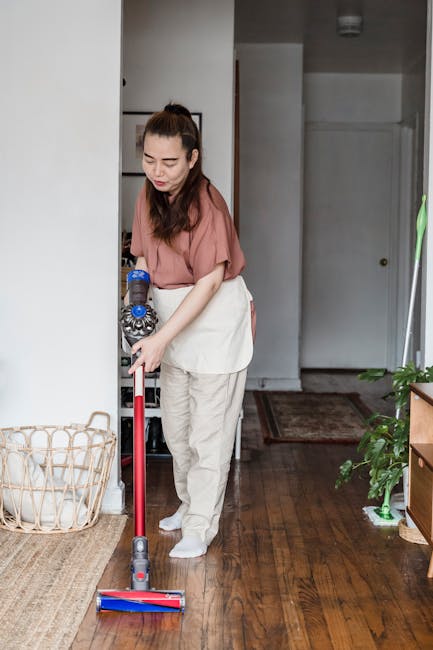
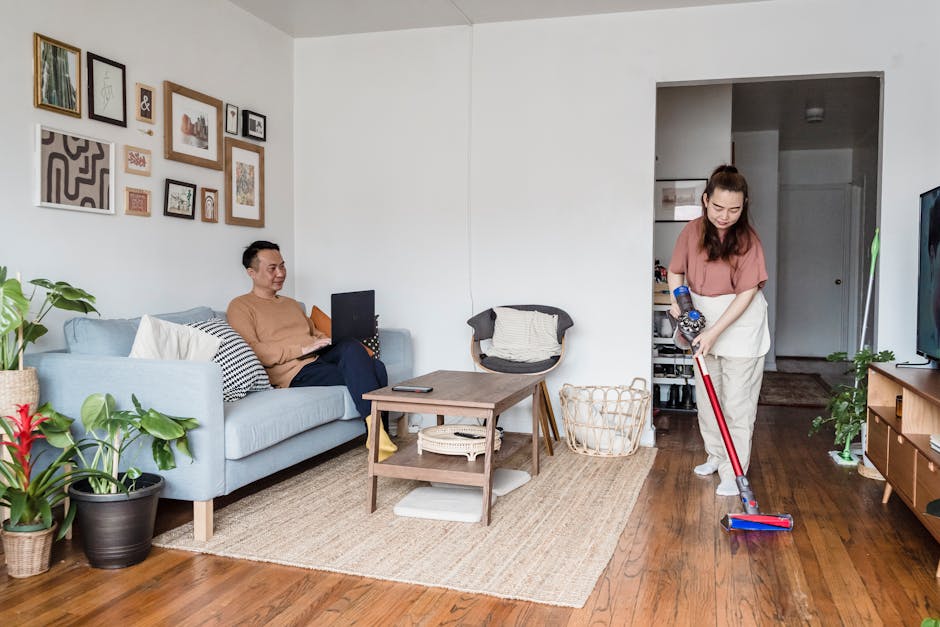
Floors in small flats pick up everything: dust, crumbs, hair, bits of soil from shoes, the lot. Move light furniture if possible, especially in corners and along edges. If carpets are the main issue, a dedicated carpet cleaning service may be useful for deeper refreshes, especially where foot traffic is heavy.
7. Finish with touchpoints
Wipe door handles, switches, remote controls, and any frequently touched surfaces. These spots are often missed because they're not dramatic-looking, but in a small flat they add up fast.
And if the windows are smudged, the room can still feel dull even after everything else is clean. A proper window cleaning service can make a surprisingly big difference in a compact space, because more light reaches the room. Tiny flat, big effect.
Expert Tips for Better Results
Here's where a bit of experience saves you time.
- Use fewer products, but use them well. A good all-purpose cleaner, a bathroom cleaner, and a degreaser are often enough for most small flats.
- Clean while you wait. Let a product sit for a minute on a stubborn patch while you wipe something else. It's a small trick, but it shaves time off the job.
- Keep cleaning cloths separate. One for kitchen, one for bathroom, one for general dusting. Mixing them up is not ideal, to put it mildly.
- Work in a loop. Always move through the flat in the same order. You'll build muscle memory and stop wandering around with a sponge like you've lost the plot.
- Use storage as part of cleaning. In a small flat, the best cleaning tool is often a better storage habit. A basket, hook, or tray can prevent tomorrow's mess.
If you're trying to maintain a rental to a good standard, it can also help to think in terms of presentation. A flat does not need to be sterile. It does need to look cared for, smell clean, and feel comfortable. That is the sweet spot.
Some tenants also ask whether a deeper service is worth it before the seasons change or after a particularly busy period. Often, yes. A deep cleaning appointment can reset areas that routine cleaning does not fully reach, especially behind furniture, around taps, and in corners where grime quietly settles.
Common Mistakes to Avoid
The biggest cleaning mistakes in small flats are usually not dramatic. They're just inefficient.
- Cleaning around clutter instead of removing it. This is the classic trap. You'll finish the task and still feel the room is messy.
- Using too much product. More spray does not equal more clean. Sometimes it just leaves streaks and sticky residue.
- Ignoring hidden dust zones. Behind the sofa, under the bed, on top of cabinets - these areas matter in small homes because they affect the overall feel.
- Leaving bathroom moisture to "air dry". In a compact flat, that can lead to damp smells and a gloomy atmosphere.
- Trying to do everything in one exhausting session. A tired person makes sloppy decisions. Clean in stages if that helps. Honestly, it usually does.
Another common issue is choosing the wrong level of clean for the situation. A weekly tidy is not the same as a pre-move clean. If you are leaving the property, a more thorough move out cleaning approach may be more suitable than a standard domestic reset.
Tools, Resources and Recommendations
You do not need a cupboard full of specialist gear to clean a small flat properly. Keep it simple.
| Tool or item | Best use | Why it helps in a small flat |
|---|---|---|
| Microfibre cloths | Dusting and wiping surfaces | Reusable, effective, and easy to store |
| Compact vacuum or handheld vacuum | Floors, corners, under furniture | Easy to manoeuvre in tight spaces |
| Bucket or spray bottle | Mixed cleaning solution | Reduces clutter from multiple bottles |
| Small scrub brush | Bathroom grout, taps, edges | Helps with detail work where cloths fall short |
| Rubber gloves | Bathroom and kitchen tasks | Protects hands during longer sessions |
| Storage basket | Clutter control before cleaning | Makes quick resets easier day to day |
For many flats, the useful extras are not fancy products, but a sensible routine and a willingness to separate tasks. If upholstery, mattresses, or soft furnishings are the problem, it may be worth booking specialist help rather than scrubbing blindly and hoping for the best. A service such as upholstery cleaning can tackle fabric items more safely than a do-it-yourself attempt gone wrong.
And if the flat has just had renovation work, dust will get everywhere - behind radiators, on skirting, into cupboard edges. In that case, after builders cleaning is the smarter route because ordinary cleaning can miss the fine plaster dust that hangs around like it pays rent.
Law, Compliance, Standards, or Best Practice
For most residents, apartment cleaning is straightforward household care rather than a legal issue. Still, there are some practical standards worth respecting, especially in rented homes and shared buildings.
First, if you are a tenant, it is sensible to keep the flat in a reasonably clean condition and to follow the terms of your tenancy agreement. Exact expectations vary, so it is always better to read the agreement carefully than to assume a landlord will see things the same way you do. Small flat, big consequences if you leave it in a poor state.
Second, in UK homes, cleaning products should be used safely, stored properly, and kept away from children or pets where relevant. Ventilation matters, especially in bathrooms and kitchens. If you are using stronger products, gloves and a bit of caution are sensible. No need to overthink it, just don't mix random chemicals together because a forum somewhere said it was fine. It usually isn't.
Third, shared entrances, hallways, and other communal areas are often managed separately from the apartment itself. If your building needs routine attention outside the flat, something like communal area cleaning may be relevant for landlords or building managers, though that is a different job from cleaning your own home.
Finally, if you're comparing professional services, check what is included, how access is handled, and what happens if something is missed. Pages such as terms and conditions, insurance and safety, and health and safety policy are useful reading because they show how the company approaches care, risk, and customer protection. That's not glamorous, but it is reassuring.
Options, Methods, or Comparison Table
Different flats need different approaches. Some people only want a light reset. Others need a more complete clean because they've been away, had guests, or are preparing for a move. Here is a simple comparison.
| Cleaning approach | Best for | What it covers | Typical advantage |
|---|---|---|---|
| Routine daily tidy | Busy individuals and shared flats | Clutter, dishes, surfaces, quick wipes | Keeps the flat workable without much effort |
| Weekly clean | Most small flats | Floors, bathroom, kitchen, dusting | Prevents grime from building up |
| Deep clean | Long gaps between cleans or seasonal reset | Detail areas, hidden dirt, build-up | Restores freshness more thoroughly |
| Move-related clean | Tenants arriving or leaving | Inside cupboards, appliances, edges, fixtures | Improves handover condition and peace of mind |
For some households, a steady routine is enough. For others, a professional session once in a while makes more sense. If your priorities include reliability and simplicity, domestic cleaning is a helpful option to compare with more occasional support like one-off cleaning.
Case Study or Real-World Example
Picture a one-bedroom flat on Elgin Avenue after a normal working week. There's a bicycle in the hall, a drying rack in the living room, dishes from two meals, and a bathroom mirror dotted with toothpaste marks. Nothing outrageous. Just life.
The first pass takes about ten minutes to improve the whole feel of the flat. Shoes go by the door, laundry gets folded into a basket, the kitchen counter is cleared, and the windows are opened briefly. Then the clean starts: kitchen surfaces, sink, bathroom, dusting, floors, and a quick final wipe of handles and switches. By the end, the flat still looks lived-in, but it feels lighter. That's the goal.
In a real move-out scenario, the same flat would need a more detailed approach. Cupboards would need checking, the oven might need attention, and marks around skirting or switches would suddenly matter more. That is where a structured service like end of tenancy cleaning becomes useful, because the standard of clean is simply higher than a weekly tidy.
Small flats reward consistency. Once the routine becomes normal, it stops feeling like a big chore and starts feeling like maintenance. A bit like watering a plant, only with more descaler.
Practical Checklist
Use this checklist before finishing a small-flat clean. It's simple, but it catches the usual misses.
- Clutter removed from surfaces and floors
- Kitchen worktops wiped and sink cleaned
- Hob, microwave, and visible grease spots checked
- Bathroom sink, taps, toilet, and mirror cleaned
- Shower, bath, or screen wiped down if needed
- Floors vacuumed or swept, including corners
- Dust removed from shelves, ledges, and skirting
- Handles, switches, and remotes wiped
- Bins emptied and liners replaced
- Windows opened for a short burst of fresh air
- Soft furnishings checked for crumbs, marks, or odours
- Final walkthrough done with lights on, then off again
If you want a cleaner living routine rather than a single reset, a regular booking can make all of this much easier. For some households, that means pairing a weekly flat clean with occasional support for tougher areas like carpets or the oven. Not complicated. Just practical.
Get a free quote today and see how much you can save.
Conclusion
A small flat on Elgin Avenue does not need a massive, complicated cleaning system. It needs a sensible one. Keep the routine short, clean in the right order, and focus on the places that affect how the flat feels every day: kitchen, bathroom, floors, dust, and the touchpoints you use constantly.
If you stay consistent, the space will feel brighter, calmer, and easier to live in. And when life gets busy, as it always does, you'll have a reliable method to fall back on instead of starting from scratch each time. That alone is worth a lot. Really, it is.
For a small home, clean is not about perfection. It's about comfort, control, and making the most of the space you have. That's the good stuff.
Frequently Asked Questions
How often should a small flat on Elgin Avenue be cleaned?
Most small flats benefit from a light tidy every day, a more complete clean once a week, and a deeper refresh every so often. If the kitchen and bathroom are used heavily, you may need to wipe those areas more often. Small spaces show mess quickly, so little and often usually works best.
What is the best cleaning order for a compact apartment?
Start by clearing clutter, then dust from top to bottom, clean the kitchen, move to the bathroom, and finish with floors and touchpoints. That order stops dust and debris from falling onto already-clean areas. Simple, but it saves a surprising amount of time.
Is professional cleaning worth it for a small flat?
Yes, especially if you're short on time, moving in or out, or dealing with built-up dirt. A professional clean can reach the bits people often miss, like edges, behind furniture, and stubborn kitchen or bathroom grime. For many people, the time saved is the real value.
What areas are easiest to forget in a small flat?
Commonly missed spots include behind the toilet, under the bed, behind the sofa, on top of cupboards, around skirting boards, and near light switches. In a small flat, these areas matter more because they affect the whole room's appearance.
How can I stop my flat from smelling stale?
Open windows when you can, empty bins regularly, wash soft furnishings when needed, and keep on top of kitchen and bathroom moisture. Stale smells often come from a mix of cooking, damp air, and fabric trapping odours. Fresh air helps more than people expect.
What should I clean first in a one-room studio?
Clear clutter first, then clean the kitchen area, bathroom if separate, and finally floors and surfaces around the sleeping and living zone. In a studio, one messy area can affect everything, so focus on the highest-use spot first.
Do I need deep cleaning if I already clean weekly?
Not always, but it can still be useful. Weekly cleaning handles the visible day-to-day stuff, while deep cleaning tackles hidden build-up, corners, behind furniture, and areas that slowly get neglected. Think of it as a reset rather than a replacement for routine care.
What cleaning products are best for a small flat?
A small, sensible kit usually works best: an all-purpose cleaner, a bathroom cleaner, a degreaser, microfibre cloths, and a vacuum or broom. You don't need loads of specialised bottles. In fact, too many products can make a small cupboard feel worse than the mess itself.
How do I clean a small bathroom without making it feel damp?
Use a light amount of product, wipe surfaces dry, and ventilate the room afterwards. A cloth rather than a soaking sponge is often better for mirrors and taps. The main thing is not leaving excess moisture behind, especially in a tight room.
When should I book move-out cleaning instead of doing it myself?
If you're leaving the property and need a high standard for handover, booking move-out cleaning is often the safer choice. It makes sense when time is short, the flat has lots of hard-to-reach grime, or you simply do not want the end-of-tenancy rush to take over your week.
Can cleaning services handle furniture and fabrics too?
Yes, some services cover fabric and upholstery work separately. If the sofa, rug, or mattress is part of the problem, it may be worth looking at specialist options rather than treating everything with the same cleaner. Fabrics are a bit unforgiving if you use the wrong method, so caution helps.
If you want a smarter way to keep a small flat fresh, start with a simple routine and build from there. A well-kept compact home feels better to come back to, and that everyday comfort is what really counts.