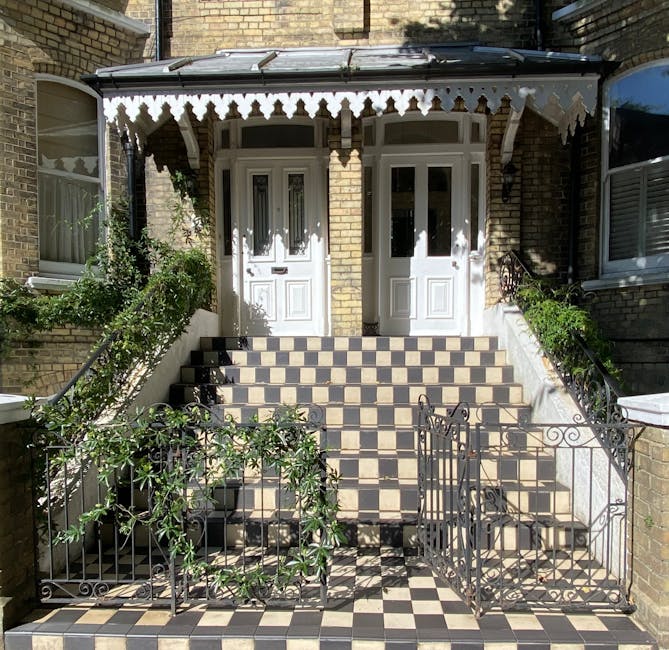
Before and after terrace deep clean Randolph Avenue case study
If you have ever looked out at a terrace and thought, "It's not dirty exactly, but it's not somewhere I'd want to sit with a cup of tea," you're in the right place. This Before and after terrace deep clean Randolph Avenue case study looks at what a proper deep clean can do for an outdoor space that has picked up the usual London grime: traffic film, mossy edges, weather staining, and the sort of dull film that settles in quietly over time. The goal here is simple - show what changes, why it matters, and how to approach terrace cleaning in a way that feels realistic rather than overly glossy.
Terraces are often treated as low-maintenance because they are outdoors. In practice, they are anything but. A patio or terrace absorbs rain, foot traffic, leaves, soot, algae, and general city dust. Left alone, surfaces can become slippery, patchy, and frankly a bit embarrassing when guests arrive. This guide walks through the before-and-after mindset, the cleaning process, the decisions that make the biggest difference, and the common mistakes people make when they try to rush it. You'll also find a checklist, a comparison table, and a practical case study you can relate to.
Why Before and after terrace deep clean Randolph Avenue case study Matters
The phrase "before and after" is not just about satisfying a visual craving. With terrace cleaning, it helps you understand what a deep clean actually fixes and what it does not. A good result is not only about brighter slabs or cleaner grouting. It's also about removing the film that makes a terrace feel tired, restoring grip underfoot, and making the space feel genuinely usable again.
In a residential street like Randolph Avenue, terraces and outside paved areas tend to collect the kind of dirt that creeps up slowly. One day the surface looks slightly dull; a few months later, you notice green patches at the edges, a line of staining near the wall, and a darker tone where water sits. It happens bit by bit, which is why owners often underestimate how much improvement is possible until the clean is done.
This kind of case study matters for three reasons:
- It sets realistic expectations. Not every mark disappears instantly, and understanding that helps avoid disappointment.
- It helps you spot what needs specialist attention. Some surfaces need gentle treatment, not brute force.
- It shows the value of preparation. A terrace that is swept, treated, rinsed, and protected properly usually stays presentable for longer.
There is another thing, too. Outdoor areas affect how people feel about a property. A clean terrace makes a home look cared for. A neglected one can drag the whole place down, even if the interior is immaculate. That's a bit unfair, maybe, but it's true.
How Before and after terrace deep clean Randolph Avenue case study Works
A terrace deep clean is usually a staged process rather than a single blast with water. The best results come from assessing the surface first, then choosing the right method for the material and the level of contamination. Not all paving behaves the same. Natural stone, porcelain, concrete slabs, and brick all respond differently to moisture, pressure, and cleaning solutions.
In a typical terrace clean, the workflow often looks like this:
- Inspection: identify loose debris, staining, algae, grout loss, and delicate areas.
- Dry removal: sweep, lift leaves, and clear corners where dirt hides.
- Pre-treatment: apply a suitable cleaning solution to break down grime and organic growth.
- Agitation: scrub or work the surface gently so the cleaner can do its job.
- Controlled rinse or wash: remove residues without flooding surrounding areas.
- Detail work: edges, joints, thresholds, drain points, and wall lines get extra attention.
- Drying and review: check for lingering stains, missed patches, or drainage issues.
That is the general shape of it. In real life, the job often feels more hands-on. You'll find one stubborn patch near a planter, one greasy-looking mark where barbecue smoke settled, and one corner where the water never quite reaches. The small details matter more than people expect.
For a terrace deep clean, it is often useful to pair the service with window cleaning if the space sits directly below glazing or overlooks a courtyard. Clean windows and a clean terrace work together visually; one without the other can feel slightly unfinished.
Key Benefits and Practical Advantages
A properly cleaned terrace is about more than appearances, though appearances are certainly part of it. The benefits are practical, everyday, and sometimes a bit underrated until you've lived with a neglected outdoor space for a while.
- Improved safety: algae and damp residue can make paving slick, especially after rain.
- Better first impressions: useful for home viewings, guests, landlords, or simply your own peace of mind.
- Longer material life: dirt and organic growth can wear down surfaces over time.
- More usable outdoor living space: a clean terrace feels like an extension of the home rather than a forgotten corner.
- Reduced staining risk: clearing contaminants early often makes future cleaning easier.
There's also a less visible benefit: a good clean gives you a clearer read on the terrace itself. Once the grime is gone, you can spot cracked pointing, loose slabs, pooling water, or flaking sealant. That is useful. Very useful, actually. It stops small problems becoming expensive ones later.
If the terrace is part of a larger property refresh, you may also want to look at one-off cleaning for the interior. Outdoor cleaning often pairs naturally with a full property reset, especially when a home has been through a long winter or a busy hosting period.
Who This Is For and When It Makes Sense
This kind of terrace deep clean is a good fit for a few different situations. Some are obvious, others less so.
- Homeowners who want a cleaner, safer outdoor area for daily use.
- Landlords and letting agents preparing a property for new occupants.
- Tenants trying to leave an outdoor space in decent condition before handover.
- Hosts who need external areas to look tidy between bookings.
- Families who use the terrace heavily and have noticed the surface slowly changing colour.
- Anyone with patio furniture that keeps collecting dust, leaf stains, and mildew-like marks underneath.
When does it make sense? Usually when you notice one of these signs:
- the surface looks patchy or uneven even when dry;
- green or black growth appears at edges or joints;
- the area feels slippery after light rain;
- furniture leaves rings or shadow marks behind;
- the terrace smells damp or stale after wet weather;
- you keep delaying it because it looks like "too much work" - which, to be fair, is usually the clue that it needs proper help.
A terrace deep clean is also a sensible choice before outdoor entertaining, spring clear-outs, and property photos. If you're managing a whole home refresh, it may be worth pairing it with deep cleaning inside, or with domestic cleaning if the indoor upkeep has slipped a bit too.
Step-by-Step Guidance
Here's a practical way to think about the process, whether you are doing it yourself or briefing a cleaner. The point is not to turn you into a terrace specialist overnight. It's to help you understand what good work looks like.
1. Start with a proper surface check
Look closely at the terrace in daylight. Check the joints, corners, wall edges, and any shaded spots where moss or algae tends to cling. If the surface is natural stone, note any etching, flaking, or old sealant. If it's porcelain, identify glazed and textured areas separately because they behave differently.
2. Remove loose debris first
Sweeping sounds obvious, but it changes the whole job. If you skip it, you smear dirt around and make the cleaning solution work harder than necessary. Leaves, grit, and plant debris often hide where the terrace meets the wall or under planters.
3. Treat stains by type, not by guesswork
Organic growth, oily marks, rust, general grime, and mud all need different treatment. This is where people often go wrong. They use one product and hope for the best. Sometimes that works. Often it doesn't. A careful cleaner will match the method to the stain rather than attacking everything with the same approach.
4. Clean in sections
Working in manageable sections prevents drying lines and makes it easier to see what has improved. You can spot stubborn patches before they get lost in the rest of the surface. It also keeps the job calmer, less chaotic. Honestly, that matters more than people think.
5. Give the edges extra attention
The perimeter of a terrace usually tells the truth. Dirt gathers where furniture blocks sunlight, where water pools, and where wind deposits fine dust. A clean edge can make the whole area look better even if the centre is still drying.
6. Review the finish in natural light
Once the terrace is dry enough, step back and look at it from the same angles you normally see from the house. Does it feel brighter? Has the surface tone evened out? Are there marks that need a second pass? This final review is where a decent clean becomes a good one.
If the terrace is part of a move, you might also find move out cleaning helpful for the wider property condition, or move in cleaning if you are preparing to settle into a new place and want every part of it to feel fresh.
Expert Tips for Better Results
Experience teaches a few things that sound small but save time and stress. Here are the ones that matter most.
- Do not rush the pre-treatment. Let the cleaning solution work before scrubbing. That's where a lot of the lifting happens.
- Protect nearby planting. Even mild cleaners can affect foliage if they are left to run off carelessly.
- Keep drainage in mind. If water is heading toward a doorway or a neighbour's boundary, adjust the method before you start.
- Test delicate surfaces first. One hidden test patch can spare you a lot of regret.
- Use the right pressure. More force is not the same as better cleaning. Sometimes it just spreads the issue around.
- Return to problem spots after the first rinse. Stubborn marks often reveal themselves only once the rest of the dirt is gone.
A small, practical tip: if a terrace has been neglected for a while, clean it on a dry, mild day if possible. Early morning or late afternoon can be ideal because the surface won't flash-dry too fast. Sun on wet stone can make a finish look patchy before the work is properly complete. Annoying, but avoidable.
For ongoing maintenance, a regular cleaning arrangement indoors can help the whole property feel under control, while the terrace gets periodic refreshes rather than large, stressful rescue jobs.
Common Mistakes to Avoid
Most terrace cleaning problems are not dramatic disasters. They are ordinary mistakes repeated often enough to become expensive or frustrating. The good news? They are easy to avoid once you know what to look for.
- Using too much water and pushing dirty runoff into drains or door thresholds.
- Choosing a harsh product because it promises a fast result, then dulling or damaging the surface.
- Ignoring the joints and leaving the terrace looking only half-clean.
- Cleaning without checking the material type, which can lead to streaking or uneven results.
- Skipping the aftercare and allowing moss to return quickly.
- Forgetting hidden corners where dirt builds up out of sight.
The biggest mistake, though, is treating the terrace as a "quick rinse" job when it really needs a layered approach. That usually ends with a wet surface that still looks tired. A bit like mopping a floor with muddy water and calling it done. You know the type of day.
Tools, Resources and Recommendations
You do not need a warehouse of equipment to clean a terrace well, but you do need the right basics and a sensible process.
- Stiff broom: for dry debris and loose grit.
- Scrub brush: for edges, joints, and stubborn surface marks.
- Microfibre cloths or pads: useful for detail work and finishing touches.
- Bucket and measured cleaner: helps keep the application controlled.
- Protective gloves and footwear: sensible, especially around damp stone and cleaning agents.
- Tarpaulin or plant covers: practical when working close to beds or pots.
If you want to assess whether a professional approach is worthwhile, compare the time you would spend sourcing products, trialling methods, and cleaning around obstacles with the likely result. For many people, the value comes not just from the outcome but from avoiding the trial-and-error stage entirely.
To get a clearer picture of service options and planning, pricing and quotes can help you frame expectations before booking. If you want to understand the company background and service ethos first, about us is a sensible place to start.
Law, Compliance, Standards, or Best Practice
Terrace cleaning does not usually involve complex legal requirements for a typical domestic property, but there are still good practice points worth respecting. In the UK, outdoor cleaning should be carried out with care for surface safety, surrounding property, wastewater control, and any environmental risks created by runoff. That is especially relevant near shared boundaries, drainage points, or areas where children and pets may walk soon after cleaning.
Best practice usually includes:
- using appropriate cleaning products for the material;
- avoiding unnecessary damage to masonry, pointing, sealant, or waterproofing;
- keeping pathways safe while the surface dries;
- managing water responsibly and preventing nuisance to neighbours;
- following any relevant site or property-specific safety instructions.
For professional cleaners, good practice also means working within sensible safety procedures, carrying suitable insurance, and handling products carefully. If you are comparing providers, it is fair to ask about their insurance and safety approach and how they manage risk around exterior surfaces.
For households and landlords, the practical rule is simple: avoid aggressive methods unless you are sure the surface can take them. If you are unsure, slow down rather than power on. That tiny pause can save a lot of trouble.
Options, Methods, or Comparison Table
There is more than one way to clean a terrace, and the best one depends on the surface, the soil level, and the finish you want. Here is a simple comparison.
| Method | Best for | Strengths | Limitations |
|---|---|---|---|
| Manual scrub and rinse | Light to moderate dirt, delicate surfaces | Controlled, gentle, low risk | Slower on heavy staining |
| Targeted chemical treatment | Algae, organic staining, deep grime | Good for stubborn marks | Needs careful selection and dwell time |
| Low-pressure wash | General terrace refresh, larger areas | Efficient and even | Not suitable for every surface |
| Deep professional clean | Heavily soiled or mixed-material terraces | Most complete finish, tailored treatment | Usually higher cost than a basic clean |
For some properties, the right answer is a blend of methods rather than one single technique. For example, a porcelain terrace might benefit from a specialist wash on the main area, then manual detailing around edging, furniture feet, and wall lines. That mixed approach is often where the really good results come from.
If the terrace is part of a commercial or shared property, you may also need a broader upkeep plan. In that case, services such as commercial cleaning or communal area cleaning may be more relevant than a one-off domestic approach.
Case Study or Real-World Example
Here is a practical case study style example based on a typical Randolph Avenue terrace clean scenario.
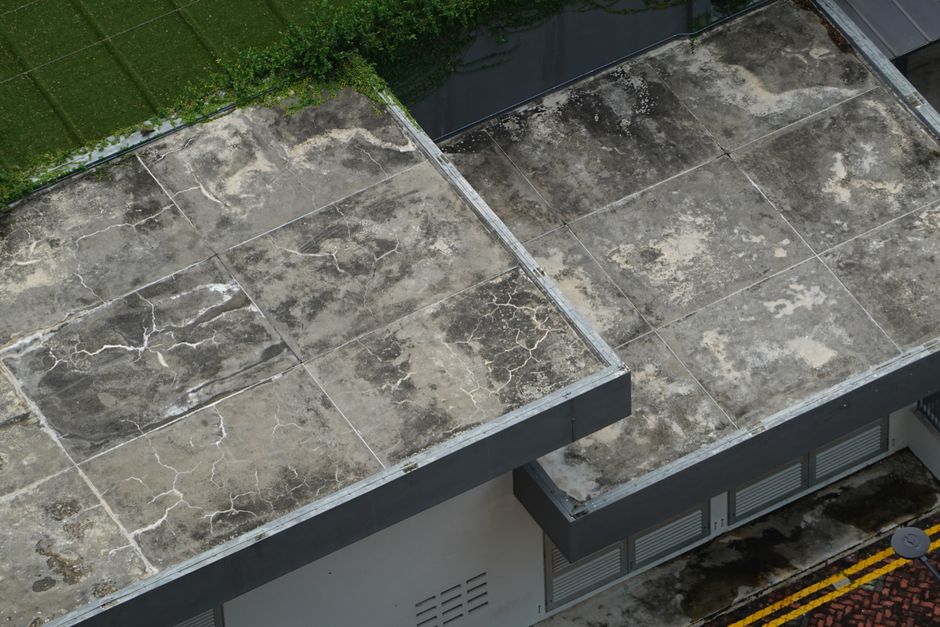
The terrace was an enclosed outdoor space with paving that had gradually lost its original tone. The before picture was not dramatic in the way a storm-damaged garden might be. It was more subtle than that. The surface looked flat and dusty, with darker patches near the walls, light algae around the edges, and a general grey film that made the whole area feel less inviting. There were also signs that furniture had left marks on the slab surface.
The main challenge was not one huge stain. It was the accumulation of many small issues. That is very common, by the way. People expect one major problem and instead find a dozen little ones. Not ideal, but manageable.
The cleaning approach followed a careful sequence:
- the terrace was cleared of furniture and loose debris;
- the perimeter and joints were inspected for sensitive areas;
- stubborn edge growth was pre-treated;
- the main paving was cleaned in sections;
- detail work was done around corners and thresholds;
- the finish was reviewed after drying to make sure the tone was even.
The before-and-after effect was strongest in three places: the edges, the centre path area, and the space near the seating zone. Those are the places people notice first because they frame the whole terrace. Once they were cleaned up, the surface looked brighter and more open. More importantly, it felt usable again rather than merely present.
Expert summary: On terraces, the best transformation usually comes from removing the "background dirt" rather than chasing one dramatic stain. If the overall film is gone, the space often looks far better than expected, even if a few faint marks remain.
That is the honest truth of many exterior cleans. They are not magic. But they are transformative in a very practical way. The space becomes somewhere you would actually like to step out into at 8am with a coffee, not just glance at from indoors.
Practical Checklist
Use this checklist before and after a terrace deep clean:
- Inspect the terrace in daylight.
- Move furniture, pots, and loose items.
- Sweep away leaves, grit, and dust.
- Identify the surface type before choosing a method.
- Test any cleaner on a small area first.
- Focus on corners, edges, and joints.
- Check drainage and runoff direction.
- Allow adequate drying time before use.
- Review the finished surface from inside and outside the property.
- Note any damage or wear that should be repaired separately.
If you want to keep the terrace looking good after the main clean, consider coupling the job with recycling and sustainability-minded upkeep habits, like reusing suitable storage covers, reducing wasteful product use, and choosing maintenance over repeated rescue cleaning. Small things. They add up.
And if you are still deciding whether a professional clean is worth it, the safest next step is to request tailored advice. A quick conversation can save a lot of guessing.
Get a free quote today and see how much you can save.
Conclusion
A terrace deep clean is one of those jobs that looks straightforward from a distance and more complex the moment you get close. That is exactly why a before-and-after case study is useful. It shows that the real value is not just in the visible change, but in the calmer, safer, more usable space that comes after the work is done.
Whether you are preparing for guests, refreshing a tired outdoor area, or simply trying to get more life out of your property, the principle is the same: clean carefully, match the method to the material, and respect the surface. Do that, and the result is usually worth it. Sometimes surprisingly so.
And when the terrace is finally clean, there's a quiet satisfaction to it. Nothing flashy. Just a space that feels looked after again. That's a good feeling.
Frequently Asked Questions
What does a before and after terrace deep clean usually change the most?
The biggest changes are usually the overall colour, the look of the edges and joints, and the way the surface feels underfoot. Even when stains do not vanish completely, the terrace often looks brighter and more even.
How long does a terrace deep clean take?
It depends on the size of the area, the material, and how much staining or growth is present. A compact terrace may be done quite quickly, while larger or heavily marked spaces need more time for pre-treatment and detailing.
Can all terrace surfaces be cleaned the same way?
No, and that's where many problems start. Porcelain, concrete, brick, and natural stone all need different handling. The safest approach is to match the method to the material rather than using a one-size-fits-all clean.
Is pressure washing always a good idea?
Not always. It can be effective, but too much pressure can damage pointing, roughen some surfaces, or push dirt into unwanted places. A controlled method is usually better than a brute-force one.
What causes green patches on a terrace?
Green patches are usually linked to damp, shade, and organic growth such as algae or moss. They tend to show up in corners, along edges, and in areas that do not dry quickly after rain.
Should I move furniture before a terrace clean?
Yes, if possible. Moving furniture gives access to the full surface and stops dirt from being left behind in hidden patches. It also helps you see whether the terrace has any marks or damage underneath.
Is a terrace deep clean useful before selling or letting a property?
Absolutely. Outdoor areas influence first impressions more than people often realise. A clean terrace can make a property look cared for and more inviting, which is helpful for viewings, photos, and handovers.
How often should a terrace be deep cleaned?
That depends on exposure, foot traffic, and how much shade the area gets. Some terraces need a seasonal refresh, while others can go longer if they are well maintained. The key is not to let grime build up for too long.
Can terrace cleaning help with slippery surfaces?
Yes. Removing algae, damp residue, and built-up film can improve traction. It does not make a surface magically slip-proof, but it can make it noticeably safer in normal use.
What is the difference between a basic clean and a deep clean?
A basic clean usually focuses on visible dirt and light maintenance. A deep clean goes further, targeting built-up grime, edge staining, joints, and stubborn marks that standard cleaning tends to leave behind.
Do I need a professional cleaner for a terrace?
Not always, but it helps if the surface is delicate, heavily soiled, or difficult to access. A professional approach is also useful when you want a consistent result without trial and error.
What should I ask before booking terrace cleaning?
Ask what method will be used, whether the surface type is suitable, how runoff is managed, and whether the cleaning is included as a one-off or part of a wider maintenance plan. Clear questions usually lead to better results.